SWA MEMBERS

















QUICK LINKS
GET IN TOUCH
- Steel Window Association, 7 Bell Yard, London. WC2A 2JR
- info@steel-window-association.co.uk
- 020 3475 8049


Pictured (L-R) are Andy Bawn, MD at West Leigh, Carl Fisher, Operations Manager at The Cotswold Casement Company, John Ramshaw, judge and Technical Editor for Architecture Today, Kris Bennell, Operations Director at ASWS, and James Barrett, MD at Steel Window Fittings.
The winners of the third Steel Window Association (SWA) Awards have been announced at a ceremony held at County Hall, London. Comprising the leading names in the industry, SWA members gathered to celebrate longstanding expertise and recent achievements. The awards recognise outstanding installations by member companies and showcase excellence across residential and commercial projects which feature steel windows, doors and screens.
Proceedings were opened by SWA President Kris Bennell, who delivered a short address before handing over to John Ramshaw, Technical Editor of Architecture Today and awards judge, to announce the winners across the Commercial, Refurbishment and Domestic Project of the Year categories, as well as a special award for an Associated Member.
John Ramshaw, Technical Editor of Architecture Today comments “This year’s awards have once again demonstrated the breadth of expertise within the Steel Window Association membership. From highly sensitive heritage restorations to complex large-scale commercial projects, the standard of work continues to impress. The winning schemes exemplify not only technical excellence and craftsmanship, but also a clear understanding of how steel windows contribute to the architectural integrity and long-term performance of buildings. I look forward to seeing how the awards continue to evolve and to reviewing another strong field of entries next year.”

Pictured (L-R): Andy Bawn, Managing Director of West Leigh, with judge John Ramshaw.
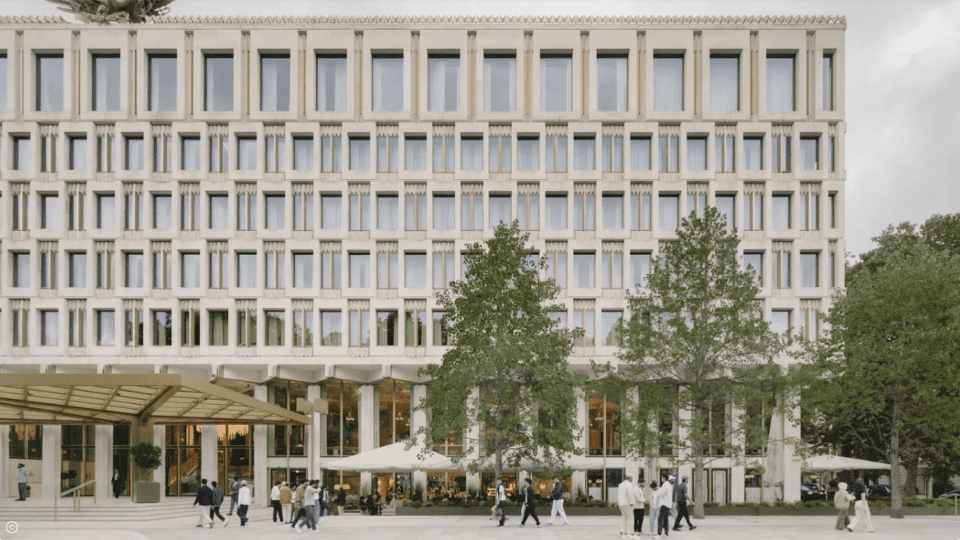
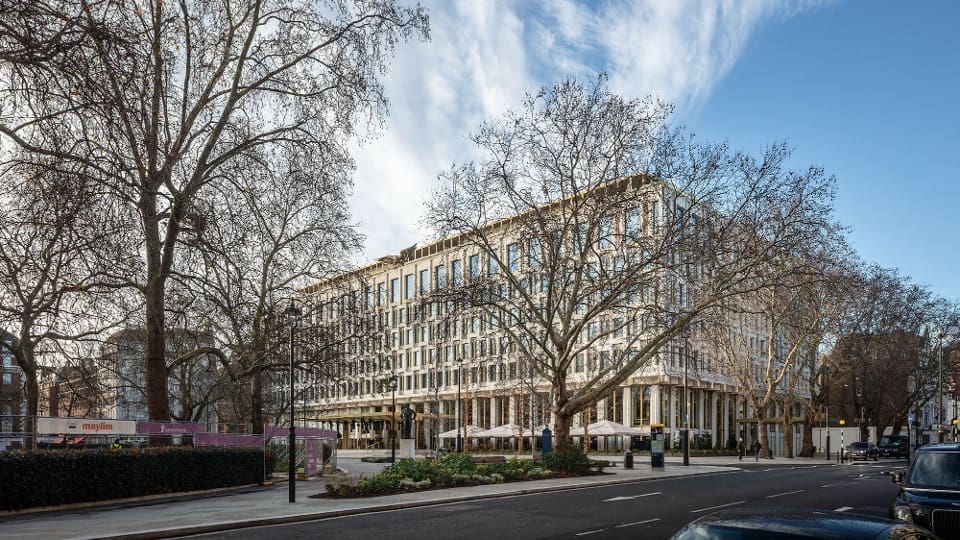
Commercial Project of the Year winner is The Chancery Rosewood Hotel, formerly the United States Embassy in London, a Grade II-listed building in London, by West Leigh Steel Windows.
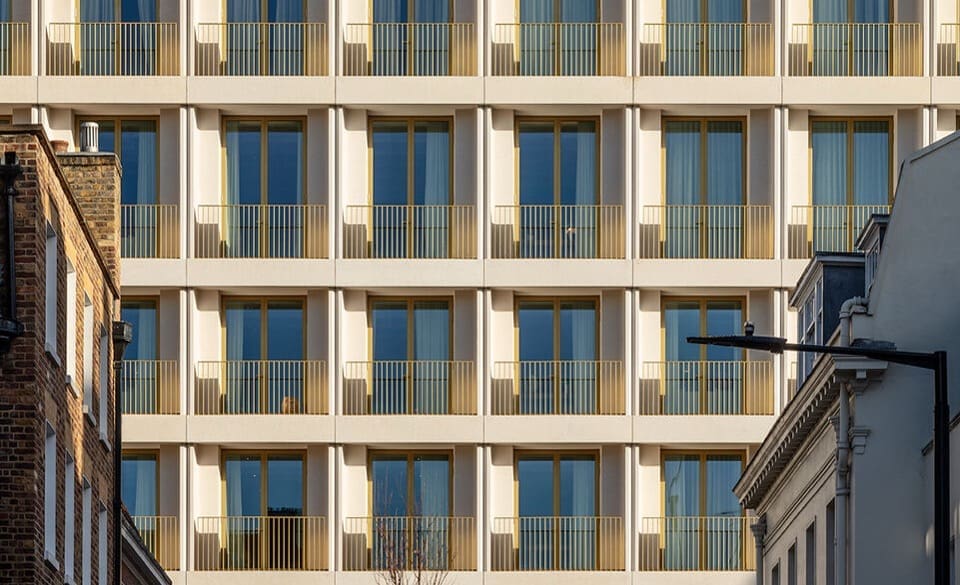
The Chancery, formerly the United States Embassy in London, is a Grade II listed building designed by Eero Saarinen and completed in the late 1950s. Its conversion into a hotel required a comprehensive refurbishment strategy, with a strong emphasis on retaining and replicating the original façade and fenestration. The brief called for the original steel profiles to be replicated with matching sightlines, the reuse of salvaged materials, and improved thermal performance throughout.
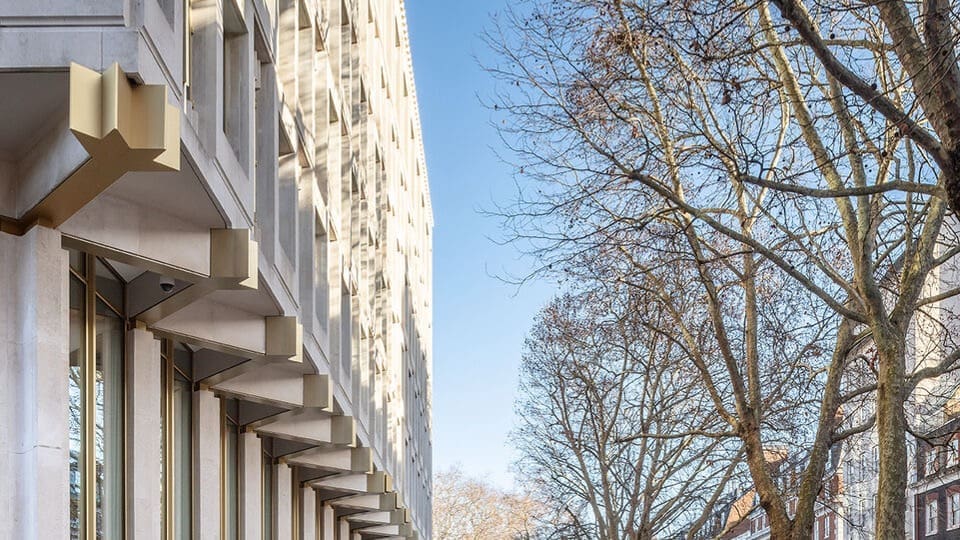
A replacement steel window solution was developed using 50TB and 75TB profiles to respond to varying structural conditions across the building. Frames were carefully designed to replicate the original sections, while original brass handles were recovered, refurbished and adapted to operate a new multi-locking system. Decorative elements, including finials and mullions, were removed, restored and reinstated, and all new steelwork was finished in Antu Gold to match the original façade.
John Ramshaw remarked “West Leigh Steel Windows has delivered a comprehensive and carefully resolved scheme that supports the wider architectural ambition of the project. Consistency of detailing across a large and complex façade has been achieved through a disciplined and well-executed approach. A worthy winner.”

The Chancery Rosewood hotel occupies the historic former U.S. Embassy in London, an iconic 1950s building designed by renowned Finnish-American architect Eero Saarinen. Its recent transformation, led by British architect David Chipperfield with interiors by French designer Joseph Dirand, represents a meticulous restoration and modernisation of a listed landmark, an undertaking defined by exceptional craftsmanship and attention to detail.
Set amid the lush plane trees of Grosvenor Square, the building presents a striking presence. Sunlight plays across the gold-anodised steel mullions and sculpted stone façades, revealing the depth and character of Saarinen’s original design.
Behind these carefully preserved exterior walls, the structure has been comprehensively rebuilt, with new elements seamlessly integrated into the historic fabric.
The renovation demanded extensive skill, from the precise recreation of steel window frames to the addition of refined new canopies in gold-toned anodised aluminium. These contemporary interventions elevate the building’s entrances while offering a subtle, informed nod to Saarinen’s architectural language.
Rather than creating stark contrasts between past and present, the project achieves a harmonious fusion, an elegant hybrid that respects the building’s heritage while redefining it for a new era.

Pictured is Kris Bennell, Operations Director of ASWS.
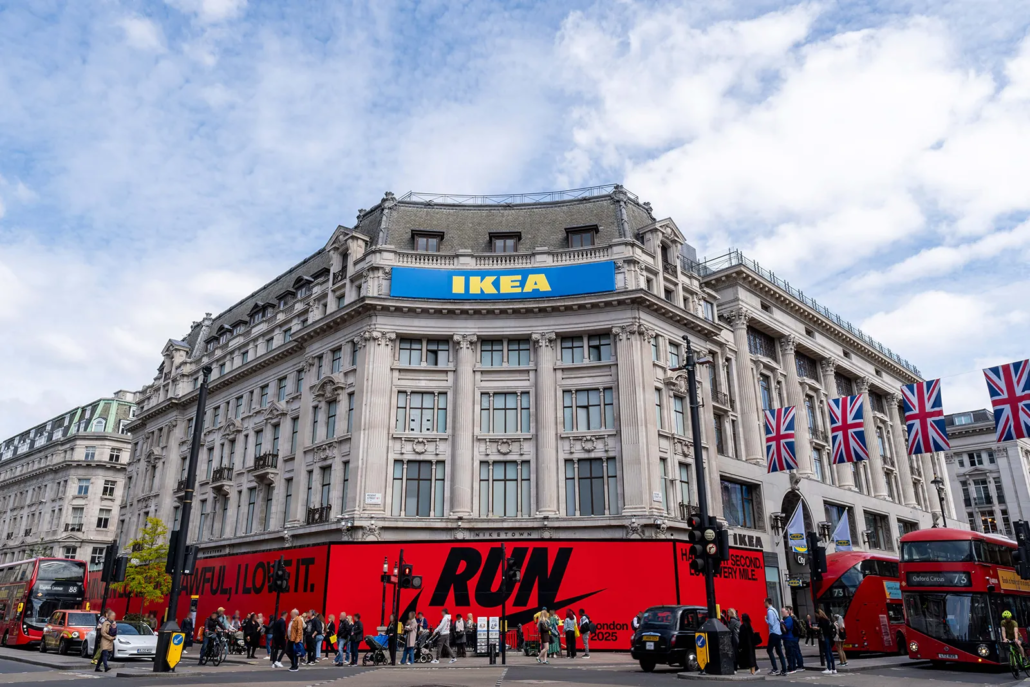
Refurbishment Project of the Year winner is 214 Oxford Street, IKEA’s London flagship store and HQ, by ASWS.
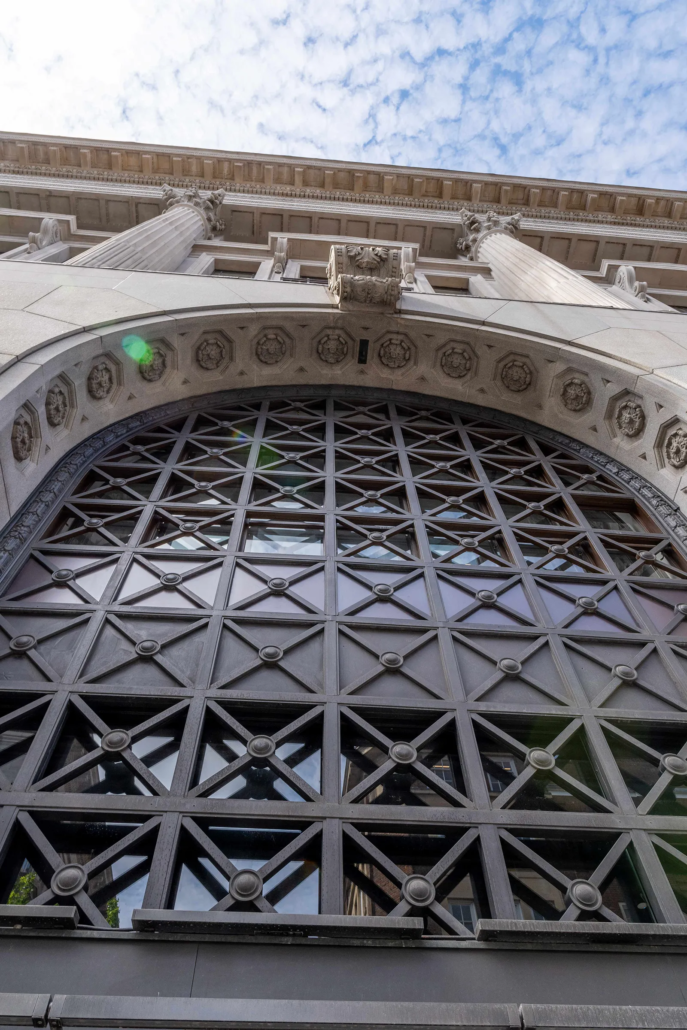
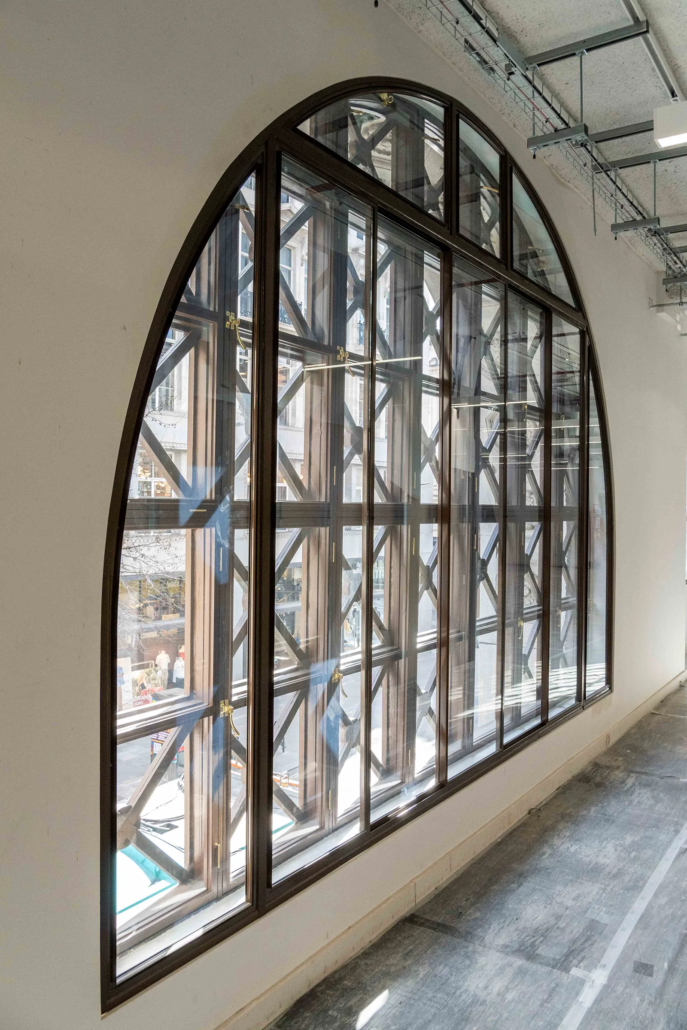
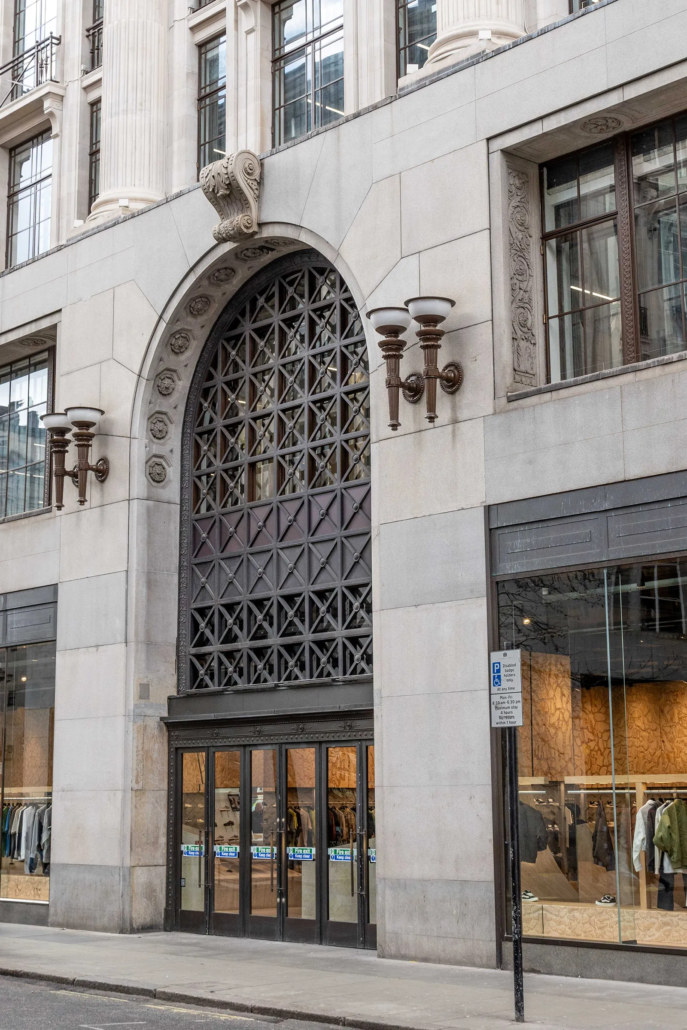
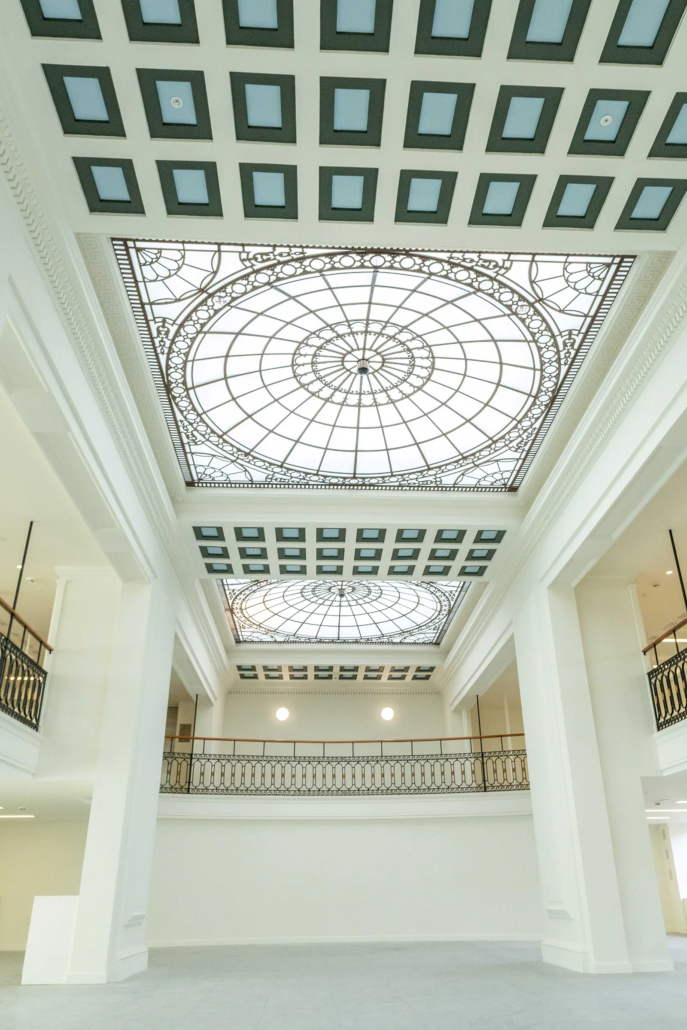
Located at 214 Oxford Street, this Grade II listed building presented a complex refurbishment challenge, shaped by a long construction history and a wide variety of window types. The project forms part of a major programme to convert the building into a new headquarters for IKEA, with the scope including more than 340 steel windows, along with bronze shopfronts, timber windows and three large domed rooflights.
A combination of in situ refurbishment and off-site restoration was undertaken. Around 90 frames were removed for repair, while the remainder were overhauled on site. Works included the controlled removal of lead-based coatings, reglazing, and the repair or replacement of ironmongery and structural components. The domed rooflights required full deglazing, structural repair and the installation of individually templated safety glass panes, while bronze shopfronts were dismantled, repaired, re-patinated and reinstated.
John Ramshaw commented “ASWS has undertaken a wide-ranging and technically demanding programme with a consistent level of care and attention throughout. The scale and complexity of the work, particularly the restoration of the domes, has been handled with precision and control. A thoroughly deserving winner.”

Located at 214 Oxford Street, the former Topshop flagship store has a long and documented history that shaped the complexity of its recent transformation. Originally built between 1913 and 1928 as one of four Quadrant buildings designed by Sir Henry Tanner for the Crown Estate, the property features Portland stone façades, extensive structural steelwork and a series of distinctive architectural elements – from bronze shopfronts to three circular steel rooflights crowning the fourth-floor mezzanine. Over the decades, the building also endured significant alteration, including repairs following wartime bomb damage, and long‑term issues such as leaking concealed rainwater pipes.
Following Topshop’s departure, the building embarked on a major two‑year refurbishment and restoration programme to create IKEA’s new London headquarters. Given the building’s Grade II listing and eclectic mix of original window types, the project demanded specialist heritage expertise. Associated Steel Window Services (ASWS), already familiar to main contractor McLaren Construction, was commissioned by Avison Young to carry out a full condition survey. This appraisal became a key reference point for the project, highlighting historic damage, water ingress and the need to work sensitively around existing occupants, including Nike.
The restoration encompassed 342 steel façade windows, a series of large mansard hardwood windows, and the building’s landmark roof domes – each containing 148 panes of glass. ASWS removed and workshop‑restored around 90 corroded steel frames, overhauled and redecorated all remaining windows in situ, and carried out extensive timber repairs at upper levels. At street level, the bronze shopfronts were meticulously stripped, re‑patinated and reglazed with laminated safety glass.
One of the most physically demanding elements involved the three shallow domes above the mezzanine, where restricted access and deteriorated steelwork required exhaustive cleaning, welding and full reglazing using individually templated safety glass. All restored elements received ASWS’s newly introduced Five‑Coat redecoration system to ensure long‑term protection.
Throughout the project, ASWS worked closely with McLaren Construction and the Crown Estate’s heritage representatives, providing practical solutions to the challenges uncovered in this century‑old landmark. Their craftsmanship, attention to detail and specialist capabilities ensured the building’s historic character was preserved while readying it for its next chapter as a contemporary workplace.

Pictured (L-R): Matthew Hahn, Managing Director, Carl Fisher, Operations Manager, and Kim Farrell, Senior Sales Accounts, of The Cotswold Casement Company.
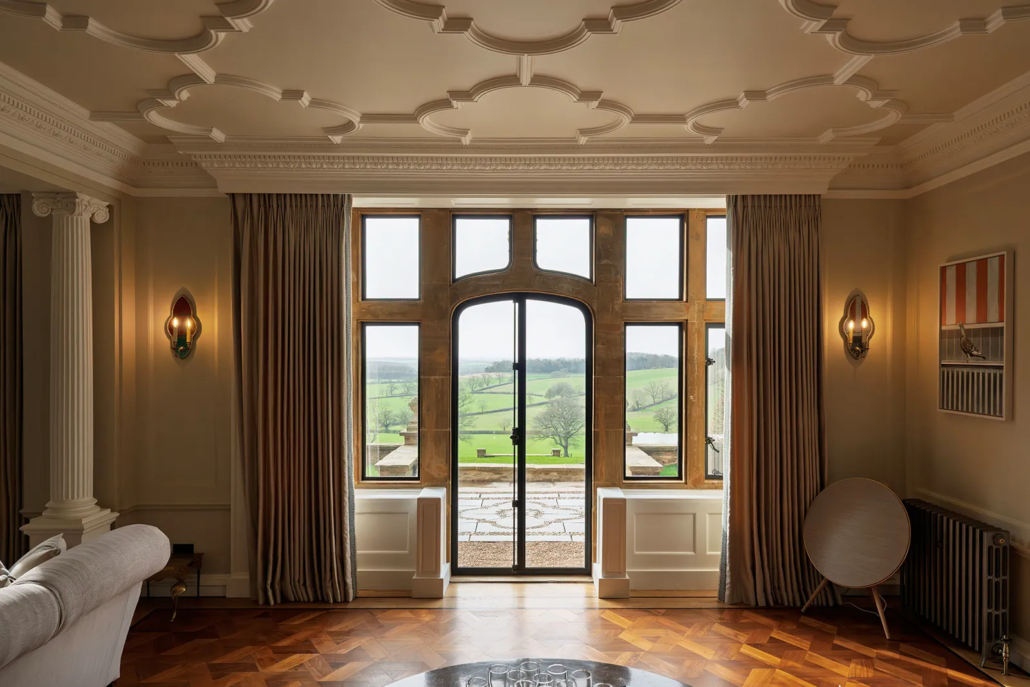
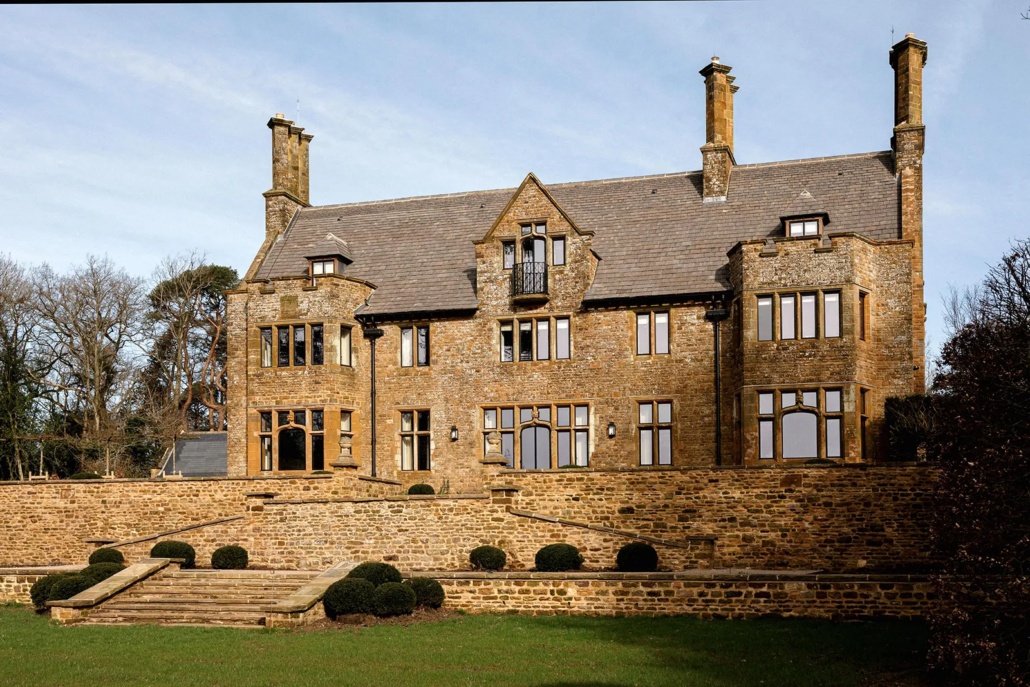
Domestic Project of the Year winner is Westcote Hall in Northampton, a large country house, by The Cotswold Casement Company.
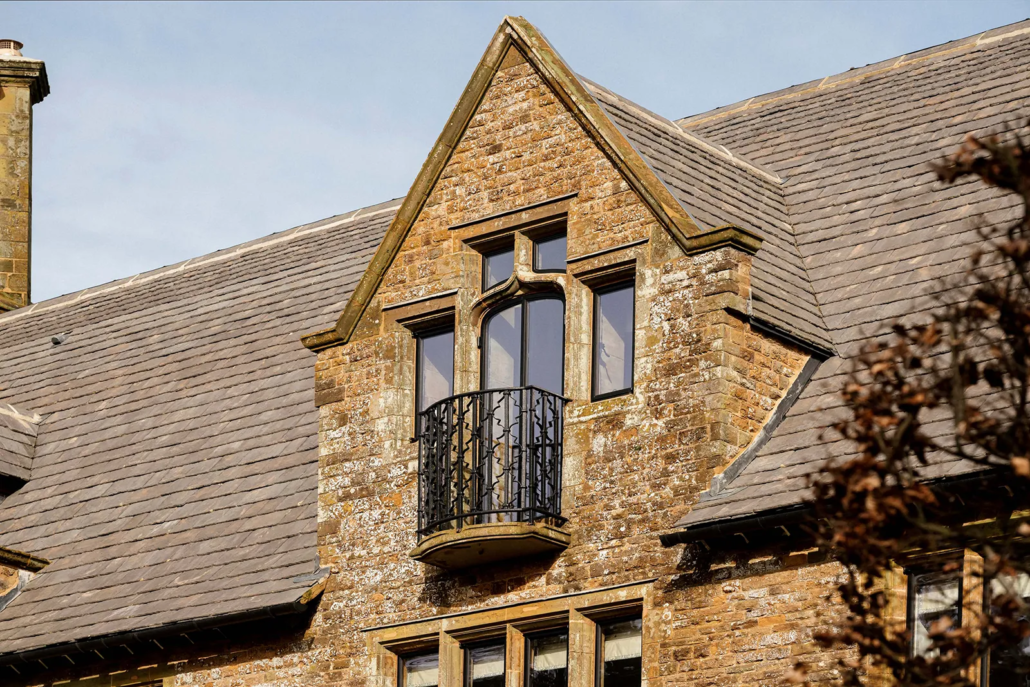
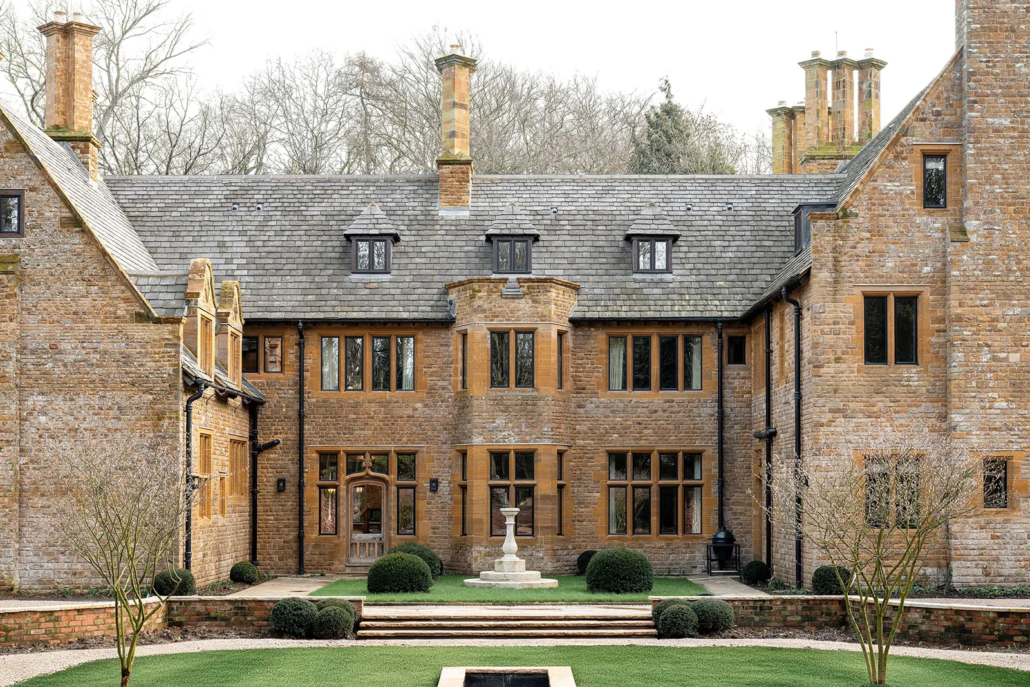
Westcote Hall is a large country house with origins in the 17th century and later Edwardian development, resulting in a building with multiple architectural phases. The project focused on restoring the historic fabric while introducing new steel windows and doors capable of meeting current performance requirements. The brief required the preservation of architectural integrity, improved daylighting, and the careful integration of new elements within existing masonry openings.
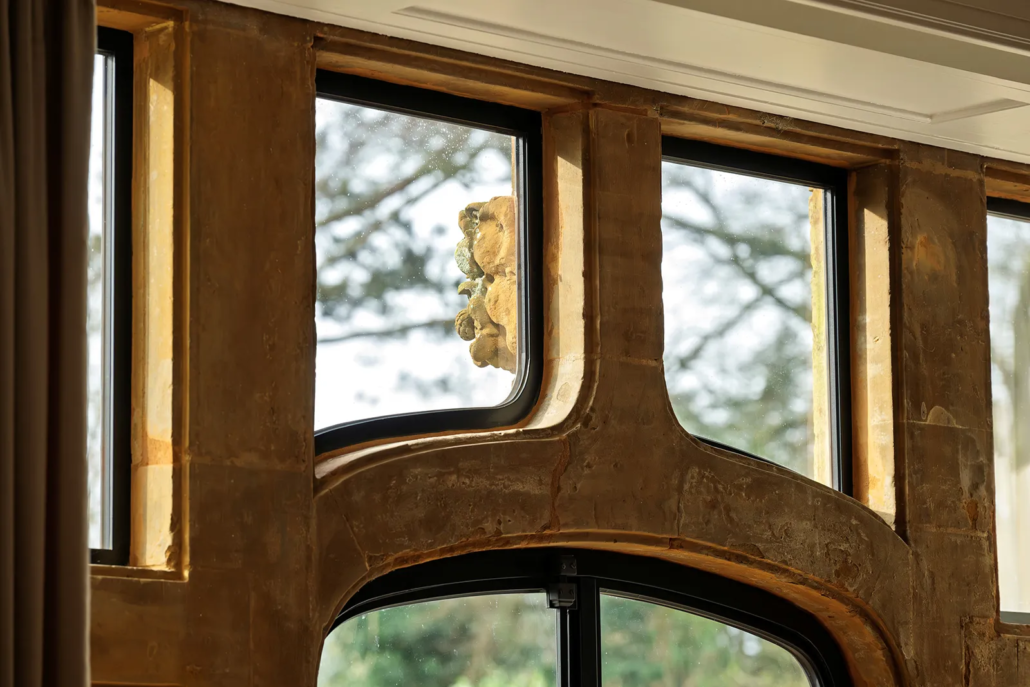
A series of bespoke steel window and door systems was developed using W20 and W30 profiles. Individual openings were addressed through tailored designs, including specially formed curved heads that follow the building’s distinctive stone detailing. Double glazing was incorporated within slim sections to improve thermal performance while retaining traditional sightlines, ensuring the new work sits comfortably within the existing façade.
John Ramshaw added “The Cotswold Casement Company has delivered a scheme of exceptional quality, defined by high levels of craftsmanship and precision. Particular attention to the bespoke shaped heads reinforces the architectural language of the building, while the overall approach achieves a careful balance between performance and authenticity. A sophisticated and deserving winner.”

The Cotswold Casement Company was honoured to play a part in the restoration of Westcote Hall, one of Northamptonshire’s most architecturally significant country residences. With roots as a 17th-century Jacobean Halland later transformed into an elegant Edwardian hunting lodge, the building embodies centuries of craftsmanship, reinvention, and heritage.
Our role was to introduce glazing solutions that enhance the Hall’s natural light and usability while remaining fully sympathetic to its historic fabric. We supplied and installed our slimline W20 and W30 steel profiles, chosen for their authentic sightlines and suitability for conservation architecture. To complement the Hall’s varied historical features, we also designed and crafted bespoke, intricately shaped heads, ensuring each element aligned perfectly with the building’s original masonry and proportions.
The result is a seamless blend of modern performance and traditional detailing, preserving the character, beauty, and legacy of Westcote Hall for generations to come.
Image credit: Pete Helme

Pictured (L-R): Terry Corbet, Technical Manager at Steel Window Fittings, John Ramshaw, judge, and James Barrett, Managing Director at Steel Window Fittings.
Steel Window Fittings was presented with the Associated Award as the company’s ironmongery was specified on two winning projects. First to be announced was Commercial Project of the Year with The Chancery Rosewood Hotel by West Leigh; Secondly Domestic Project of the Year – Westcote Hall by The Cotswold Casement Company.
MD of Steel Window Fittings James Barrett said “We are very pleased to be recognised for contributing to both the Domestic and Commercial Project winners. The two winning projects are very different and its shows the specialty and the range of hardware that Steel Window Fittings designs and manufactures that is required to be used on such unique and differing buildings. The Chancery Rosewood Hotel presented challenges regarding the hardware, as the original handles needed to be retained and reused. We successfully integrated these with the W50TB concealed multipoint locking system, enhancing the building’s weather performance while ensuring full operability with the original handles. Fully adjustable B310 brass hinges were also utilised to facilitate both installation and the smooth operation of the windows.”
James continues “Westcote Hall highlights the craftsmanship and versatility of the traditional hardware. To complement the steel window’s ultra-thin sightlines, a window handle replicating that of the original period was selected from our range of hardware. The B205 Scroll Key-Locking window handles were fitted as part of a traditional duplex system. A traditional duplex system offers two locking points on taller windows for improved security and a tighter weather seal. To complete the window setup, the B375 peg stays with the accompanying brackets were selected to enhance security and provide restriction options for the windows. Steel Window Fittings’ innovative multipoint concealed locking was fitted to the doors for upgraded safety and strong sealing to protect from harsh weather and potential heat loss. The concealed system is unobtrusive and does not impede the heritage style of the property. In addition, our B300 hinges were chosen for the doors as they are specially designed to hold the force of steel, whilst allowing for easy fitting, smooth movement and precise adjustment while fitted to the door. To match the frames, all window handles, duplex systems and peg stays were finished in Antique Black.”