SWA MEMBERS















QUICK LINKS
GET IN TOUCH
- Steel Window Association, 7 Bell Yard, London. WC2A 2JR
- info@steel-window-association.co.uk
- 020 3475 8049


Entries for the Steel Window Association Awards 2026 have now been received, and the judging process will begin shortly. We would like to thank all members who entered; the quality and breadth of submissions reflect another exceptionally strong year for the awards.
The 2026 awards will be judged across three categories:
The Associated Award will again recognise an associated member whose products feature within a winning project.
We are pleased to welcome John Ramshaw, Technical Editor of Architecture Today, as judge. The winners will be announced at the awards presentation taking place on 5 June 2026 at County Hall, an event we very much look forward to.
Award winners will receive official award logos, a physical trophy, and a comprehensive promotional media package.
Here is a summary of all the entries for this year.
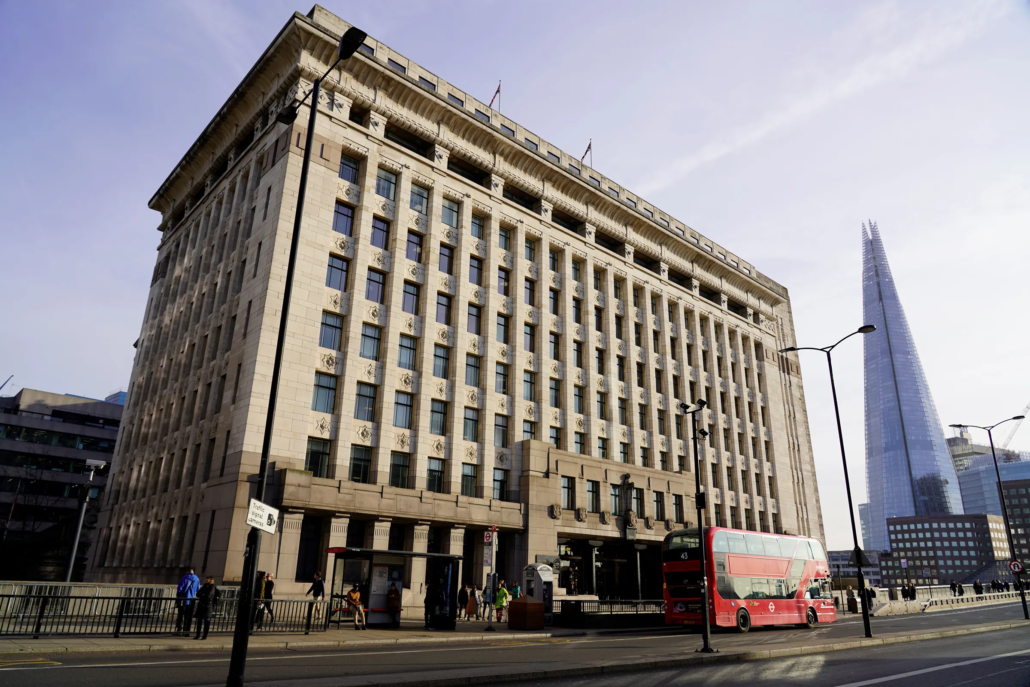
Adelaide House, one of London’s earliest steel-framed office buildings, has undergone a comprehensive refurbishment that carefully balances historic preservation with modern performance. Central to this transformation was the replacement of the original 1920s steel windows, originally manufactured by Crittall Windows.
The project required a solution that would faithfully replicate the defining characteristics of the original fenestration while addressing contemporary requirements for thermal efficiency, durability and occupant comfort. Crittall’s Corporate® W20 EVO system was selected for its ability to reproduce the slender sightlines, glazing patterns and hardware details of the original windows, while incorporating double glazing and advanced weather sealing.
Image credit: Scott Brownrigg

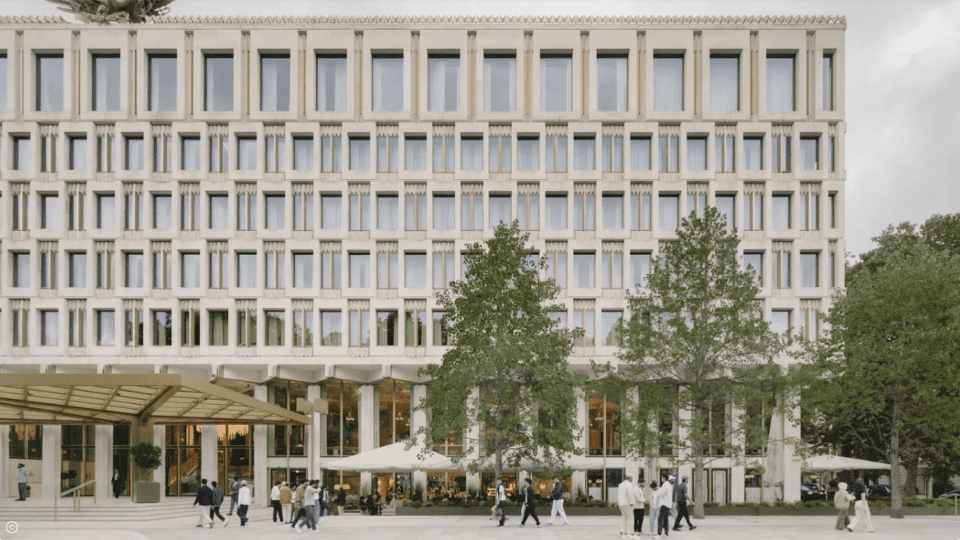
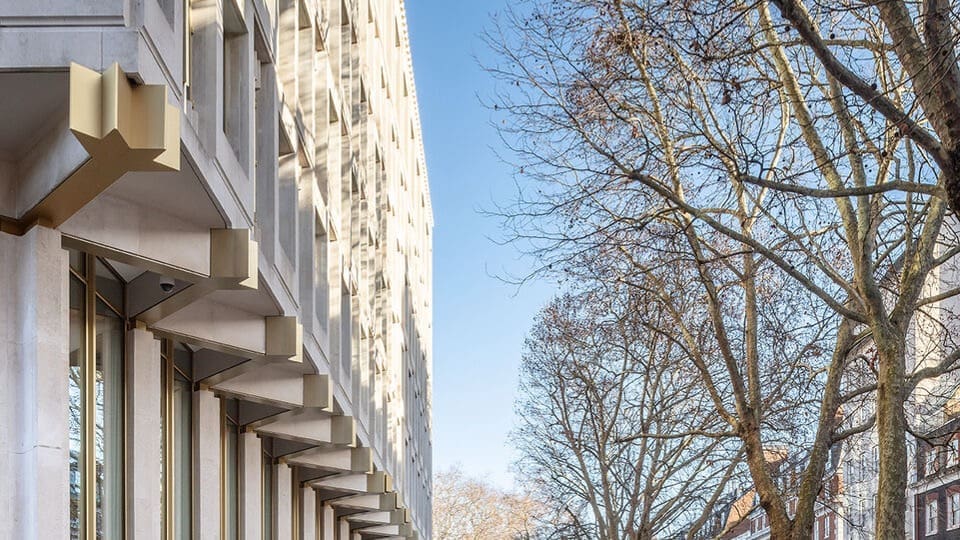
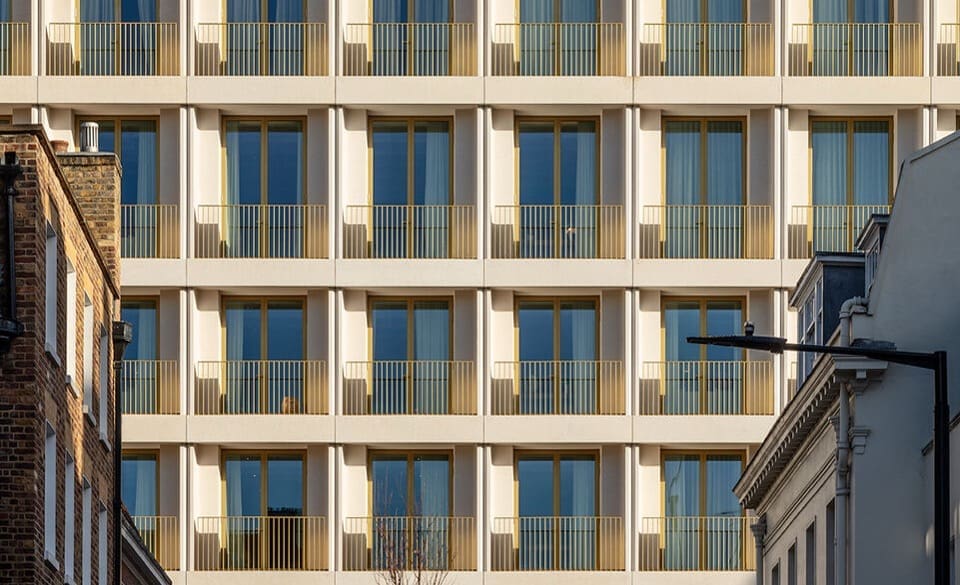
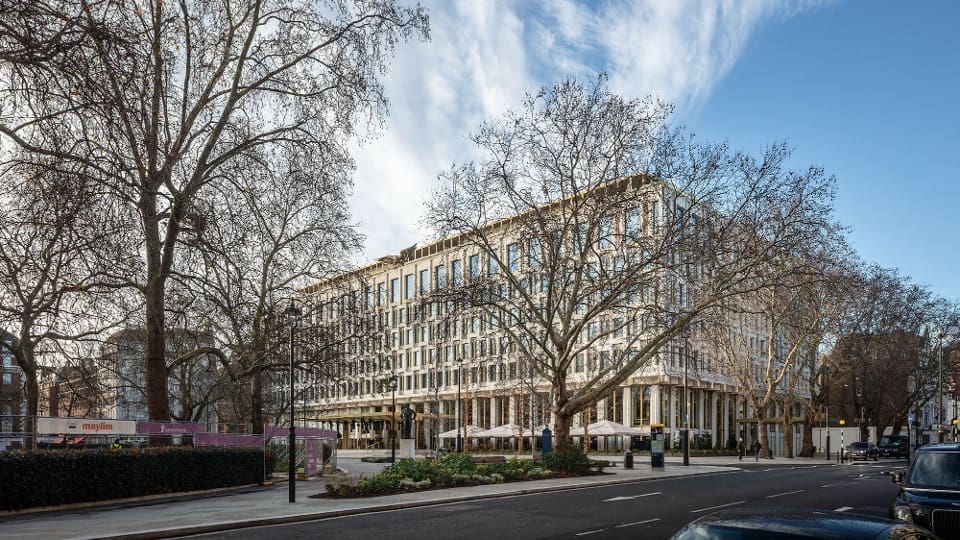
The Chancery Rosewood hotel occupies the historic former U.S. Embassy in London, an iconic 1950s building designed by renowned Finnish-American architect Eero Saarinen. Its recent transformation, led by British architect David Chipperfield with interiors by French designer Joseph Dirand, represents a meticulous restoration and modernisation of a listed landmark, an undertaking defined by exceptional craftsmanship and attention to detail.
Set amid the lush plane trees of Grosvenor Square, the building presents a striking presence. Sunlight plays across the gold-anodised steel mullions and sculpted stone façades, revealing the depth and character of Saarinen’s original design.
Behind these carefully preserved exterior walls, the structure has been comprehensively rebuilt, with new elements seamlessly integrated into the historic fabric.
The renovation demanded extensive skill, from the precise recreation of steel window frames to the addition of refined new canopies in gold-toned anodised aluminium. These contemporary interventions elevate the building’s entrances while offering a subtle, informed nod to Saarinen’s architectural language.
Rather than creating stark contrasts between past and present, the project achieves a harmonious fusion, an elegant hybrid that respects the building’s heritage while redefining it for a new era.

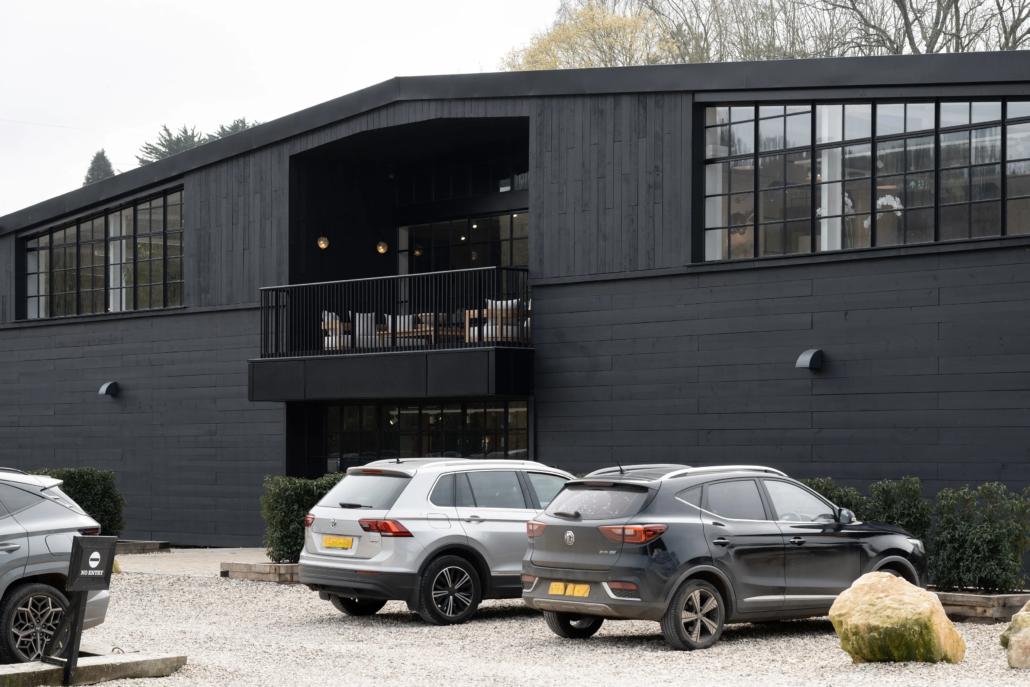
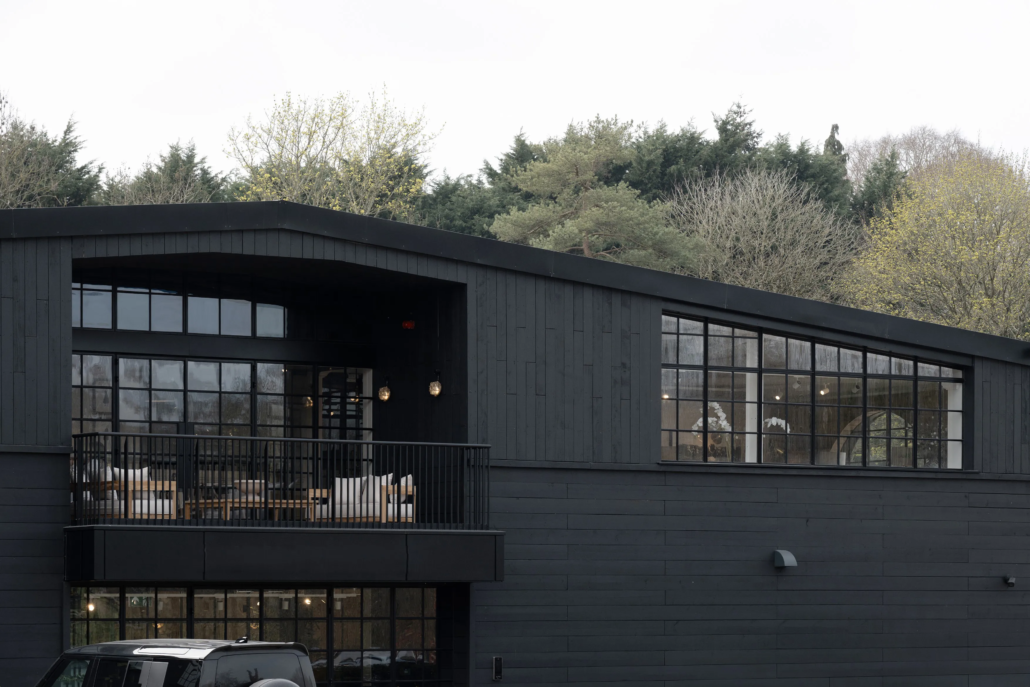
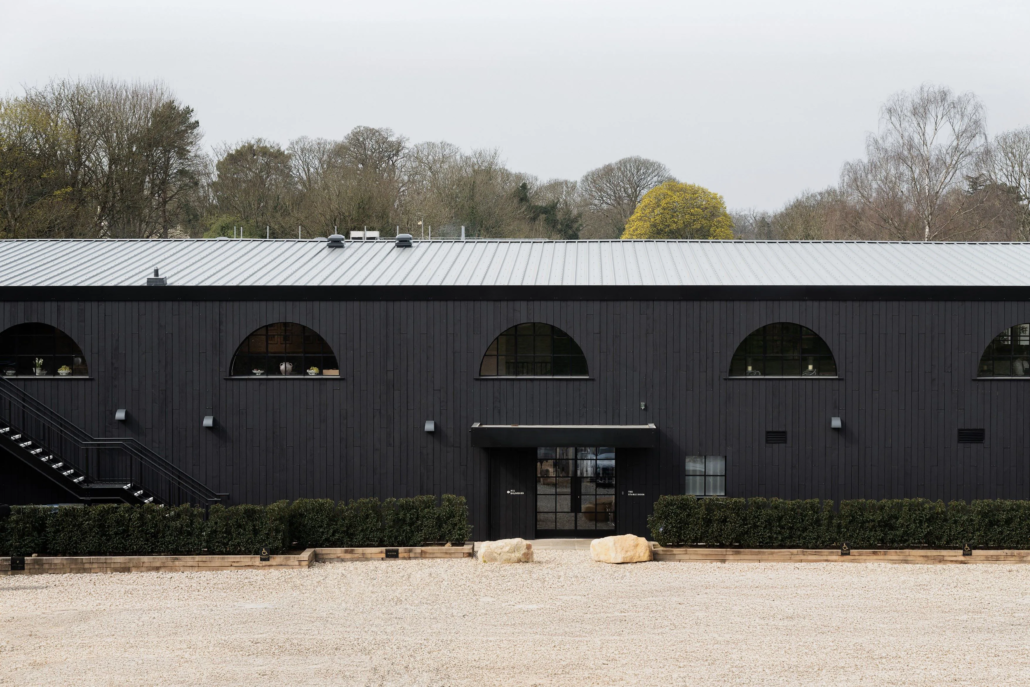
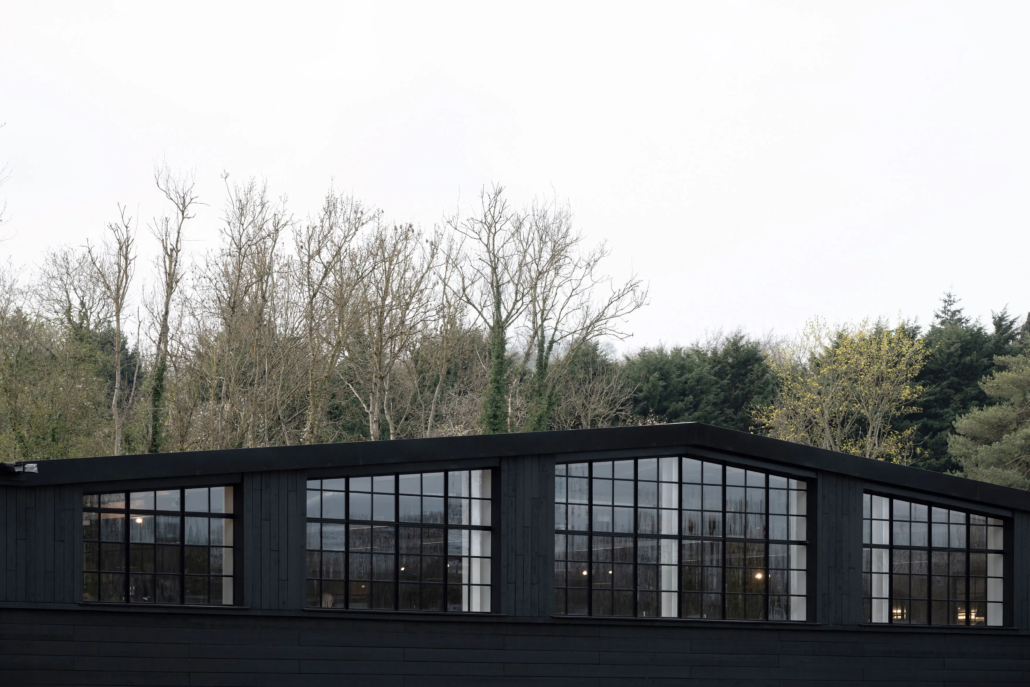
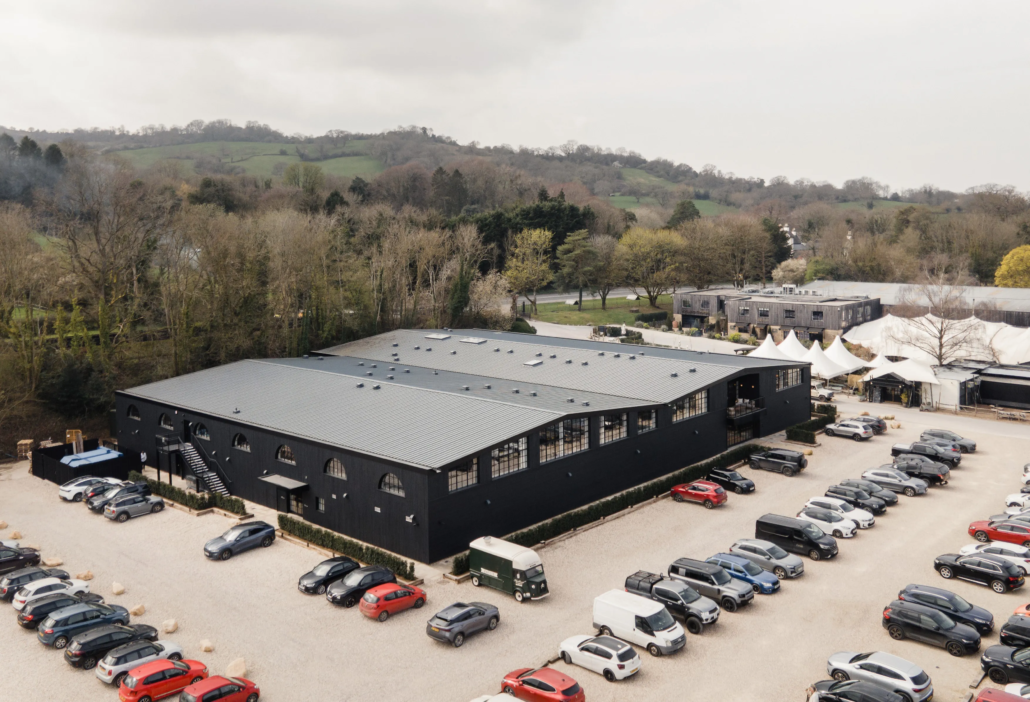
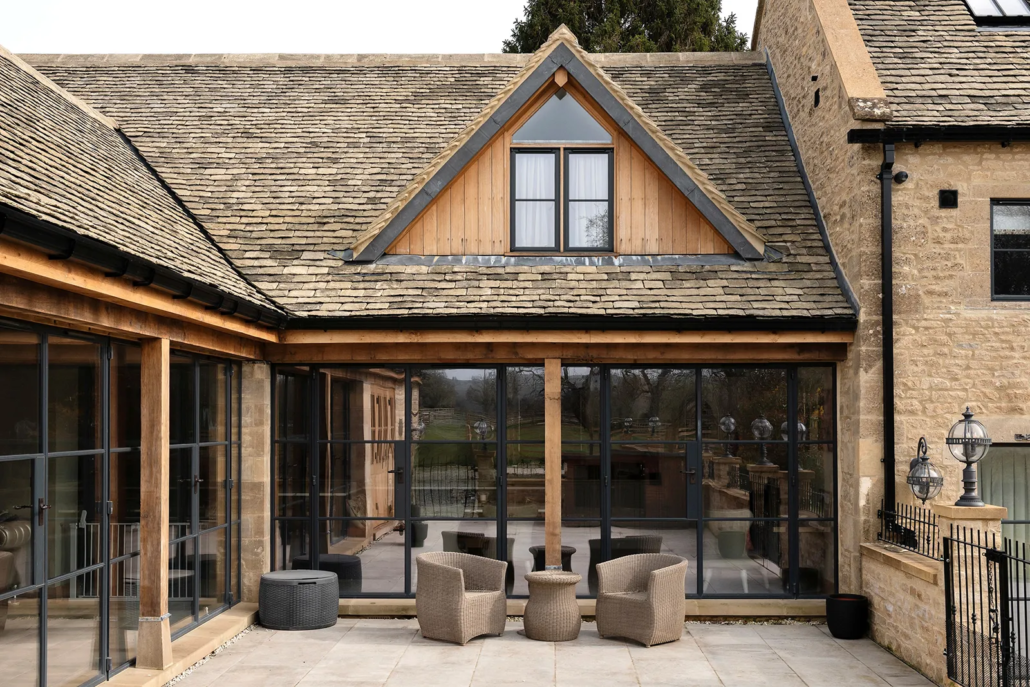
Discover a truly exceptional commercial space, that The Cotswold Casement Company were privileged to be awarded the exterior handcrafted doors and windows, in the heart of the Cotswolds, where contemporary design meets timeless rural beauty.
This newly built property has been finished to an impeccable standard, featuring modern black board cladding and striking steel-framed windows and doors that create a bold architectural presence.
Inside, elegant arched windows and dramatic double height openings invite abundant natural light, flowing seamlessly onto a mid-level balcony that enhances the indoor–outdoor connection. Wide dual glazed entrances frame sweeping countryside views, giving the building a serene, minimalist aesthetic that feels both expansive and refined.
Image credit: Pete Helme

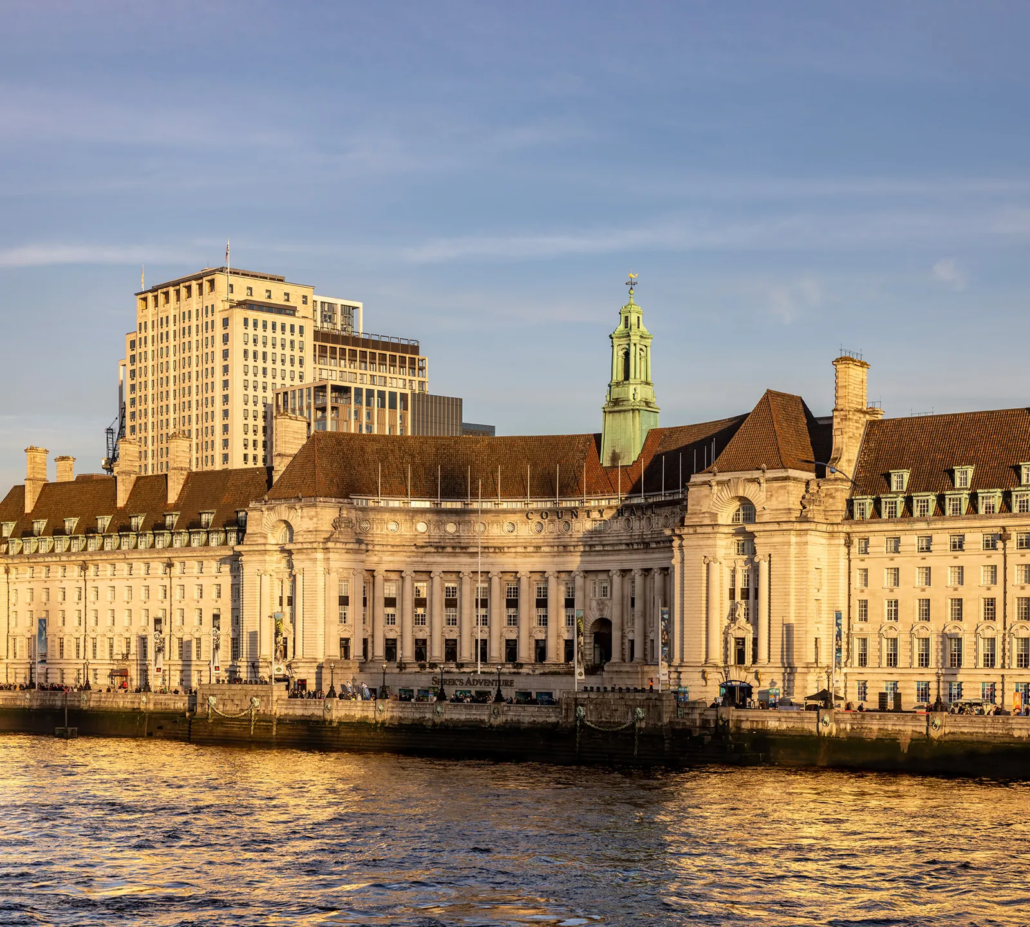
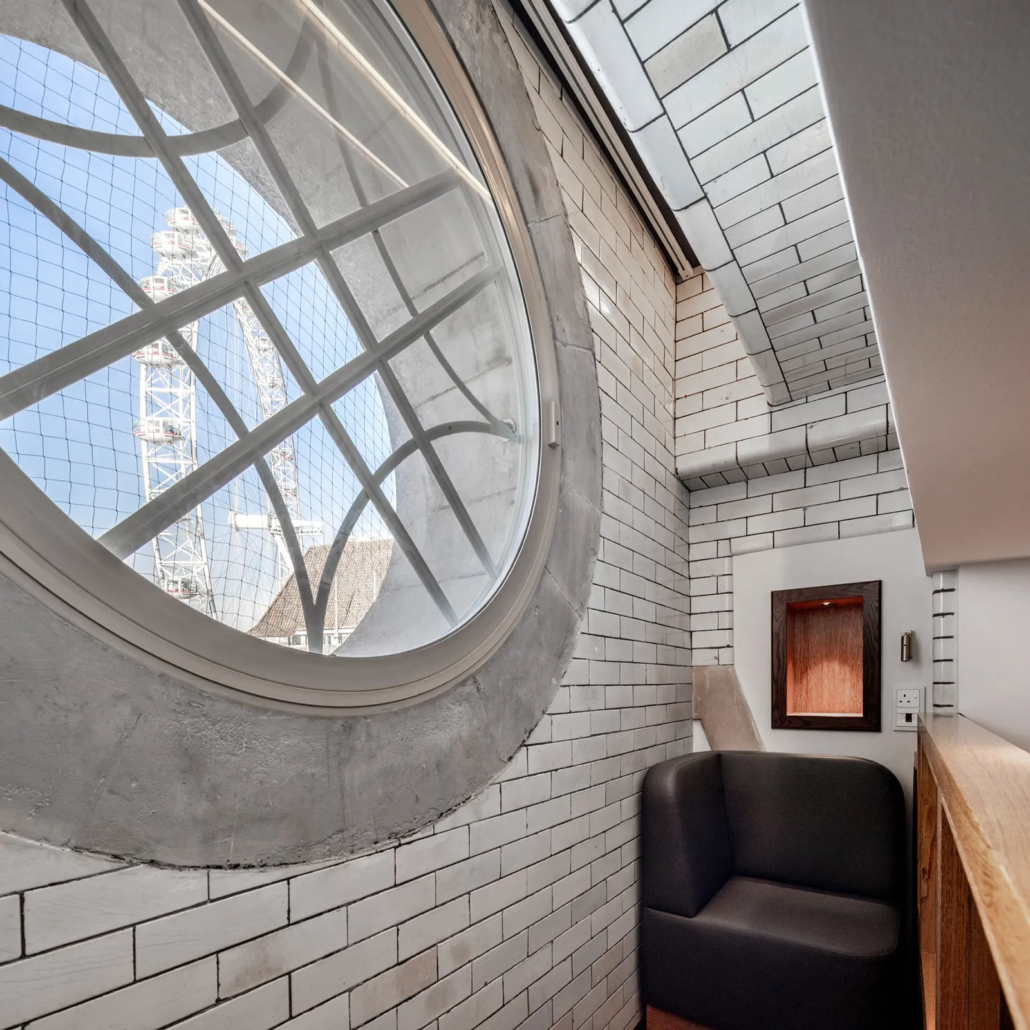
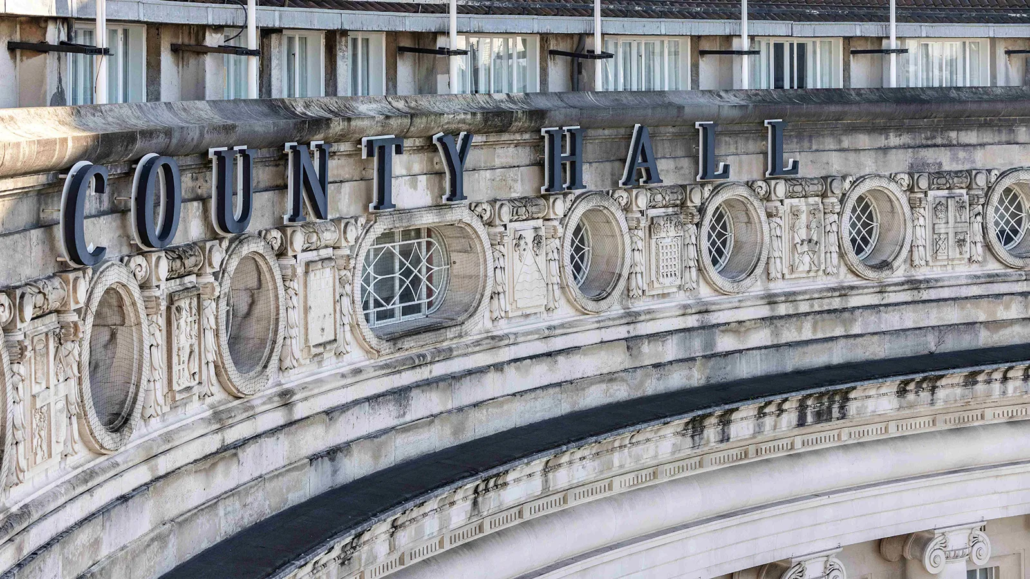
Associated Steel Window Services (ASWS) was appointed to restore 40 steel windows – including distinctive crescent‑shaped porthole units and rectangular frames – on the 5th and 6th floors of The Marriott Hotel, part of the Grade II* listed County Hall complex overlooking Westminster Bridge.
The project continues ASWS’ long-standing relationship with County Hall, where the company has delivered multiple contracts over the past three decades. This commission, awarded on the strength of its heritage expertise, marked ASWS’ first collaboration with Red Construction (main contractor) and Studio Loren (design lead). Before work commenced, ASWS also provided technical guidance and preliminary condition assessments for a previous architect.
Work began in summer 2023, with intermittent site attendance required due to ongoing internal reconfigurations. The refurbishment presented considerable challenges, most notably the inability to scaffold the elevations. ASWS therefore introduced enhanced safety procedures for internal deglazing, including use of the company’s NLG (Never Let Go) tool‑tethering system and contract‑specific training. A ground‑level exclusion zone was established, and high‑risk tasks were scheduled outside operational hours, with teams starting at 5am to complete activities before the restaurant below opened. Protective film was applied to all glazing to control breakage during removal.
Repairs involved restoring steel frames with through glazing bars, removing all ironmongery and replacing damaged glass. Two severely corroded windows hidden behind a false wall were removed via a balcony for off‑site refurbishment. Shot blasting revealed major section loss, requiring bespoke fabrication of discontinued Mid Universal profiles in the ASWS workshop.
With the hotel fully operational except for the two working floors, noise restrictions limited disruptive activity to a three‑hour daily window. Despite these constraints, ASWS coordinated all works with other trades and completed the project within the original quotation parameters.

Govette Windows Ltd was appointed to design and install new steel replacement door screens where the original oak doors were no longer serviceable. These bespoke screens were carefully developed to integrate within the existing oak structure while significantly increasing the amount of natural light entering the property.
Each steel screen was purpose-made to suit the existing apertures. The appointed designer, EHG Design, advised exploring alternative colour options in place of the popular black powder-coated finish. A bronze Interpon powder coat (YW230F) was ultimately selected, providing a strong visual contrast with the oak framework while enhancing the overall aesthetic.
The doors were fitted with 18mm double-glazed, high-performance insulating units. This specification enabled the doors to achieve a BFRC ‘B’ energy rating, ensuring compliance with Part L thermal regulations for replacement doors.
To satisfy Part F ventilation requirements for domestic properties, the door leaves were fitted with slim, discreet trickle vents. These were colour-matched to the frames and seamlessly integrated into the head profile of the doors.
During the later stages of the project, EHG Design proposed extending the same design system to the internal doors to create a cohesive aesthetic throughout the property. Despite the requirement for fire-rated performance, the solution remained viable: the W20 profiles used for the external doors are also approved for FD30/0 internal applications when paired with 7.2 mm clear Pyrodur glass.
Govette Windows Ltd completed the project on time and within budget.
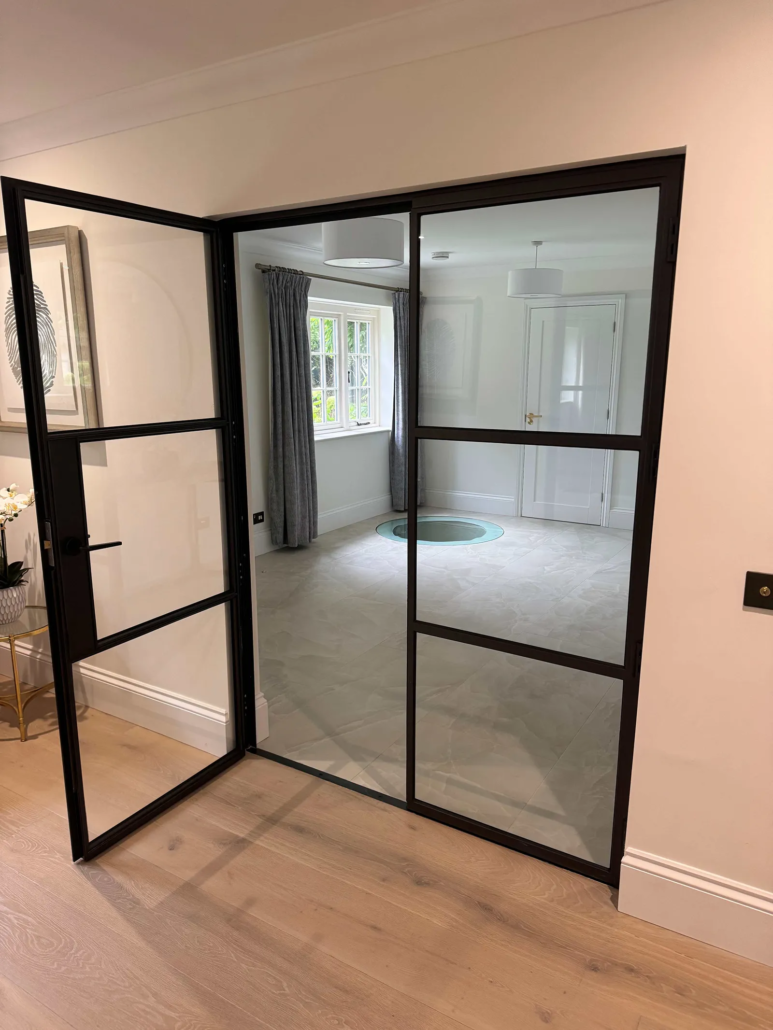

Situated in the Blackheath Conservation Area, this 1871 mid-Victorian property has been meticulously restored over three years to reclaim its historic character. Studio Sam Causer Architecture worked closely with the owners and local craftspeople to transform a previously disconnected interior into a residence defined by rich textures and improved spatial flow.
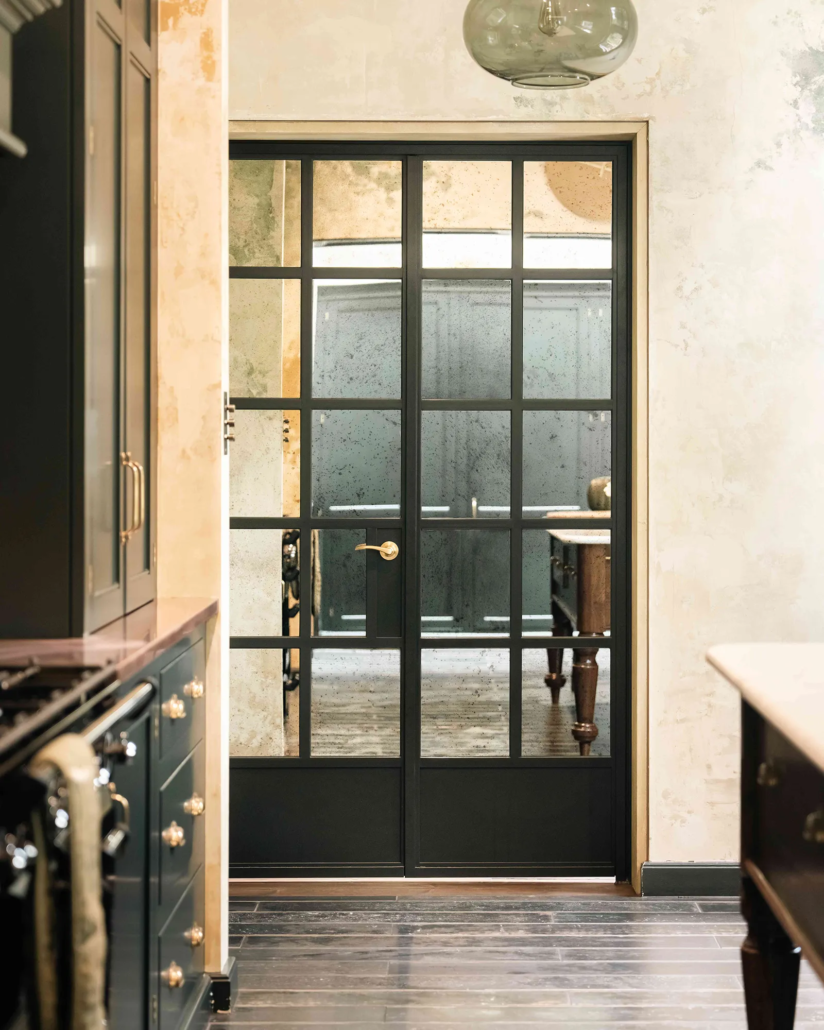
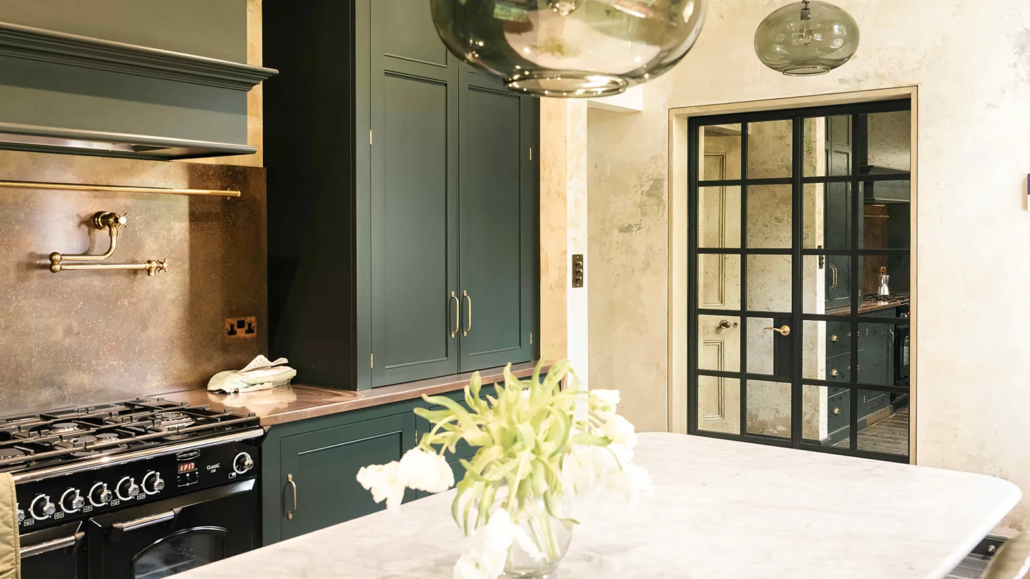
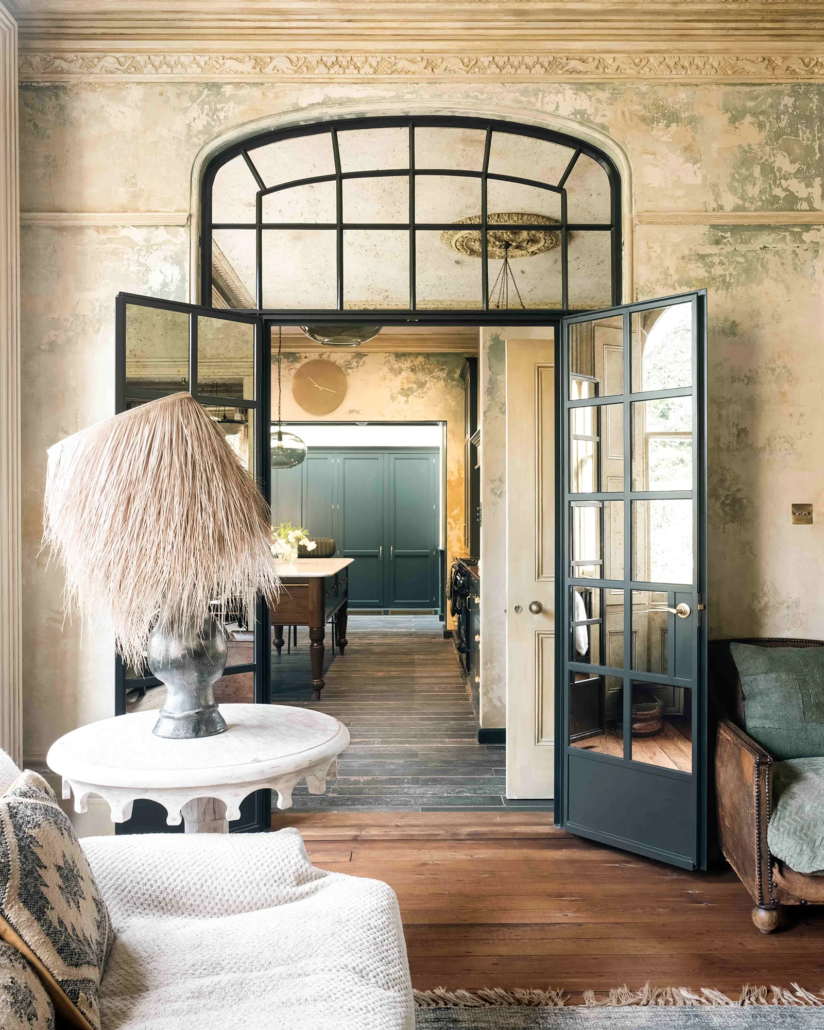
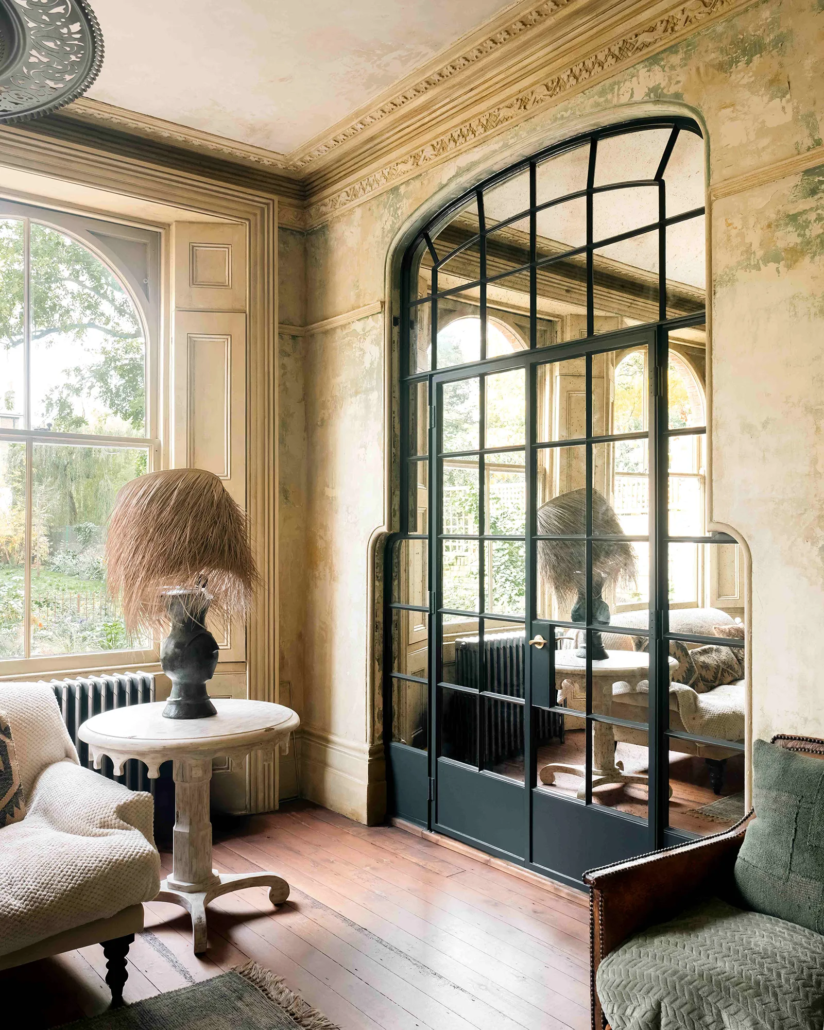
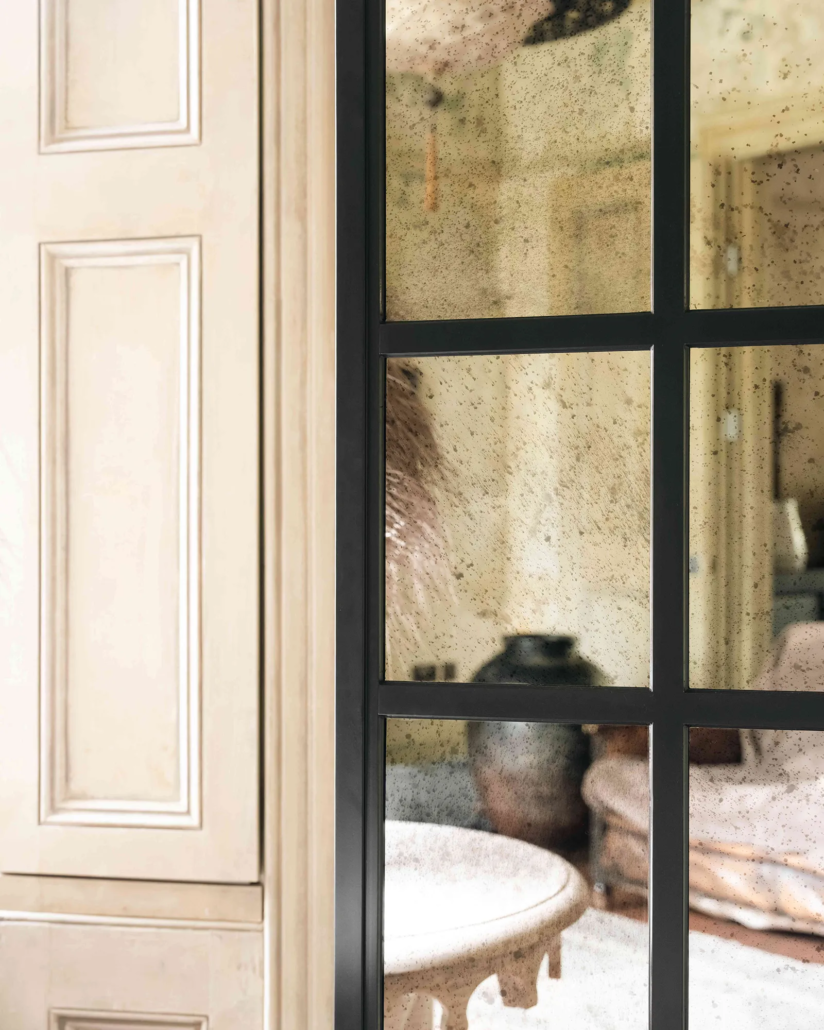
Central to this transformation is the bespoke steel glazing by Fabco, which forms the architectural focal point of the ground floor. Rather than conventional glazing, the installation incorporates antique mirrored glass, allowing the new double doors to integrate seamlessly with the property’s hand-distressed walls and original Victorian features.
The craftsmanship is evident in the arched silhouette of the steel frames, which echo the design language of the original rear sash windows. On the kitchen side, the geometry shifts to a squared profile in order to align with the surrounding cabinetry and window proportions.
Particular attention was given to continuity of detail. A traditional skirting board is carried through the opening via a custom kickplate, ensuring the installation sits naturally within the historic interior.
By combining traditional design cues with precision engineering, the Fabco installation transforms a structural opening into a carefully integrated architectural feature that unifies the home’s restored interiors.
Image credit: Jon Golden
The London Square Developments project at Nine Elms Park, Vauxhall (SW8 5BB), comprises the ground-up construction of a 27-storey residential tower.
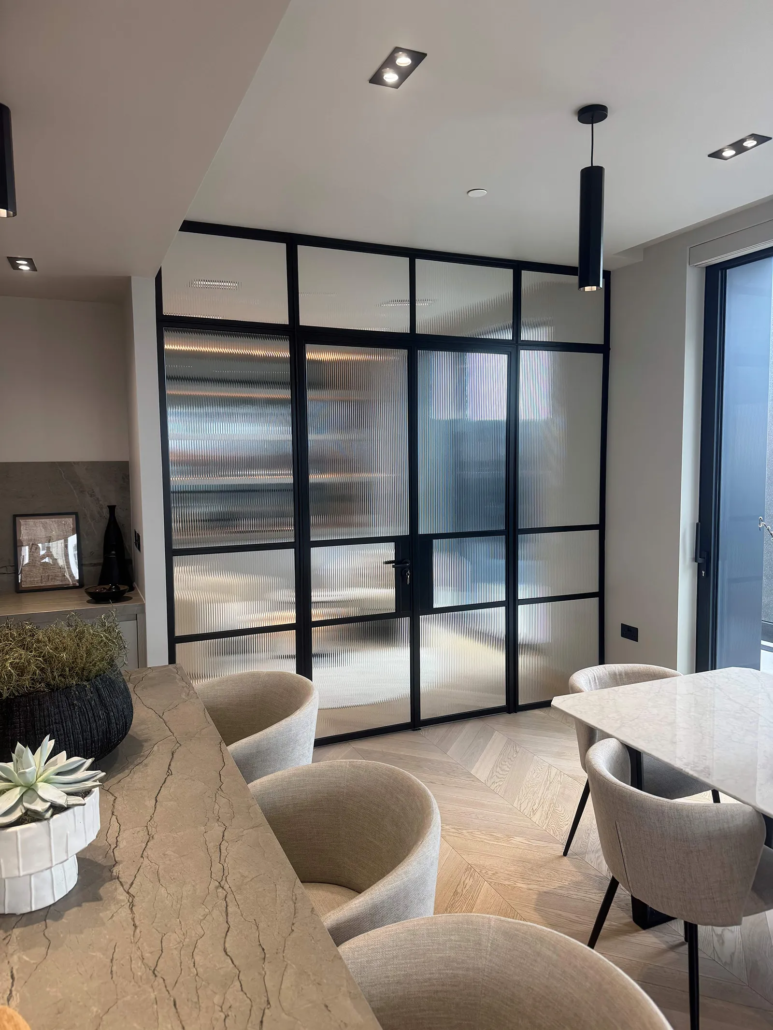
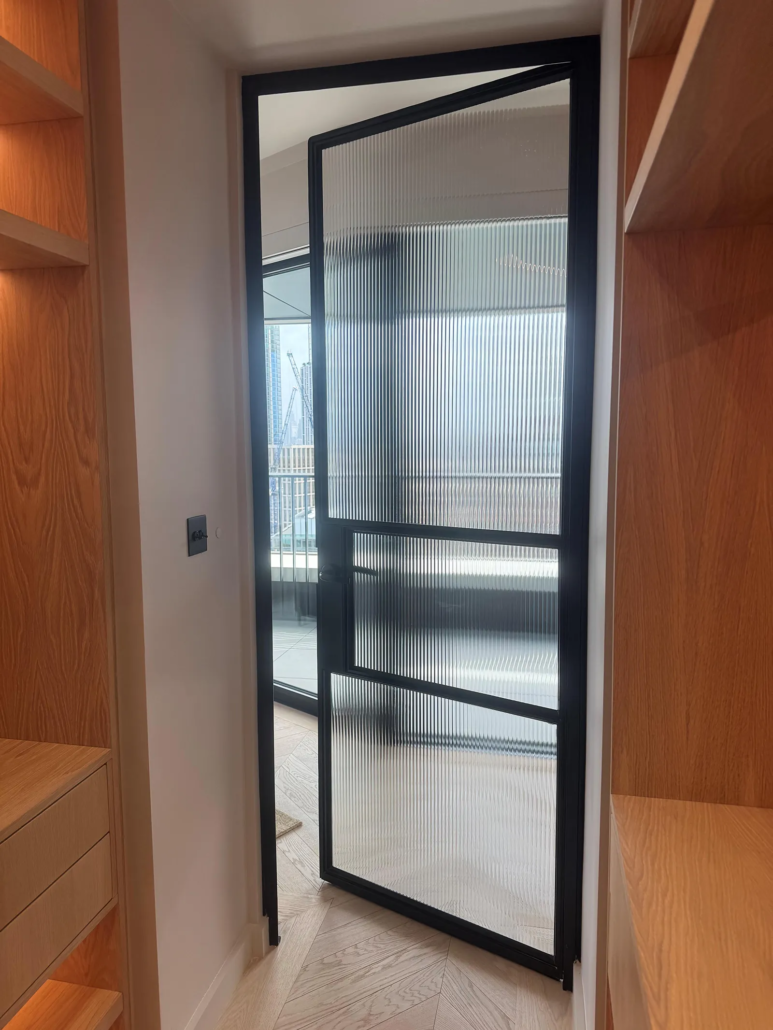
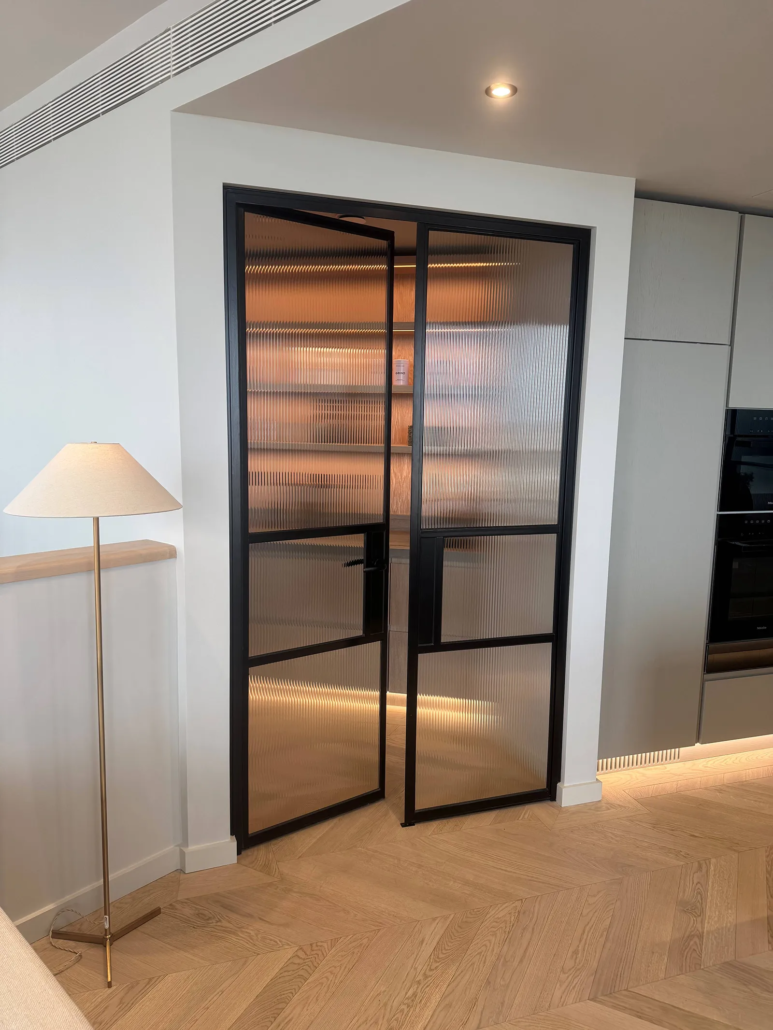
Govette Windows Ltd was commissioned to design and manufacture high-quality internal partitions for the penthouse duplex apartments. The initial brief focused on internal door screens and shower enclosures; however, this was subsequently expanded to include walk-in pantries and walk-in wardrobe doors.
Following extensive consultation with the developer and the appointed architectural practice, Architectus (Worthing, West Sussex), a cohesive design aesthetic was established. This included detailed specifications covering overall design, RAL powder-coat finishes, ironmongery, and glazing. All elements were formally approved by both the developer and the architect.
Govette Windows Ltd manufactured the internal screens using W20 hot-rolled steel sections. This highly versatile system offers a range of profile types suitable for fixed glazing, external door frames, door leaves, glazing bars, and coupling bars. The screens were site-glazed using 4 mm narrow reeded toughened safety glass.
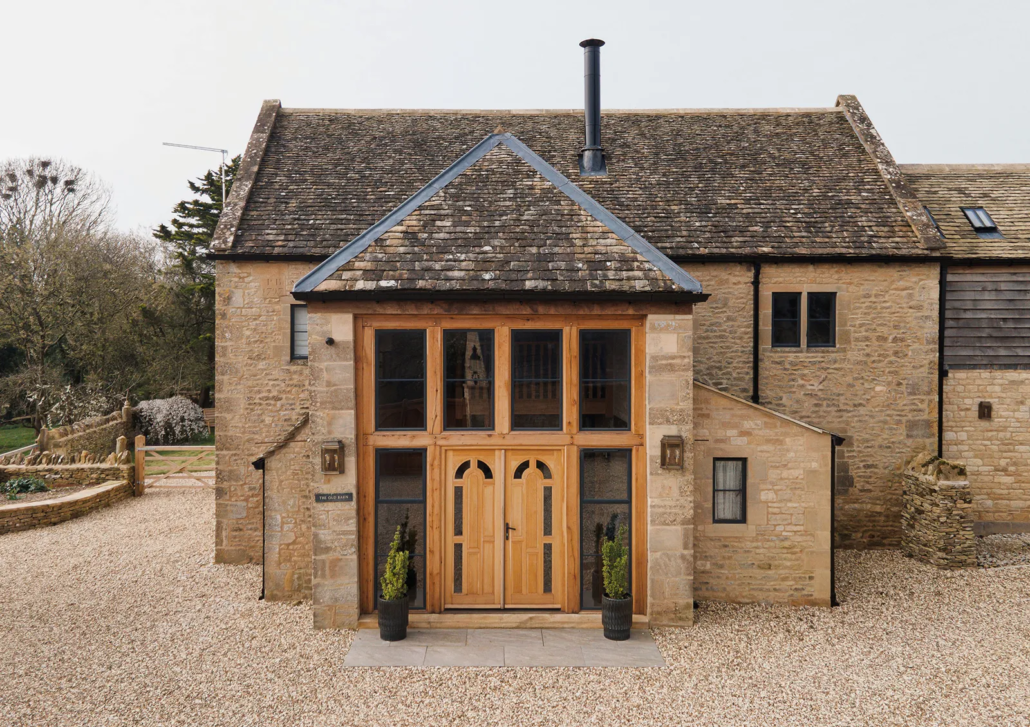
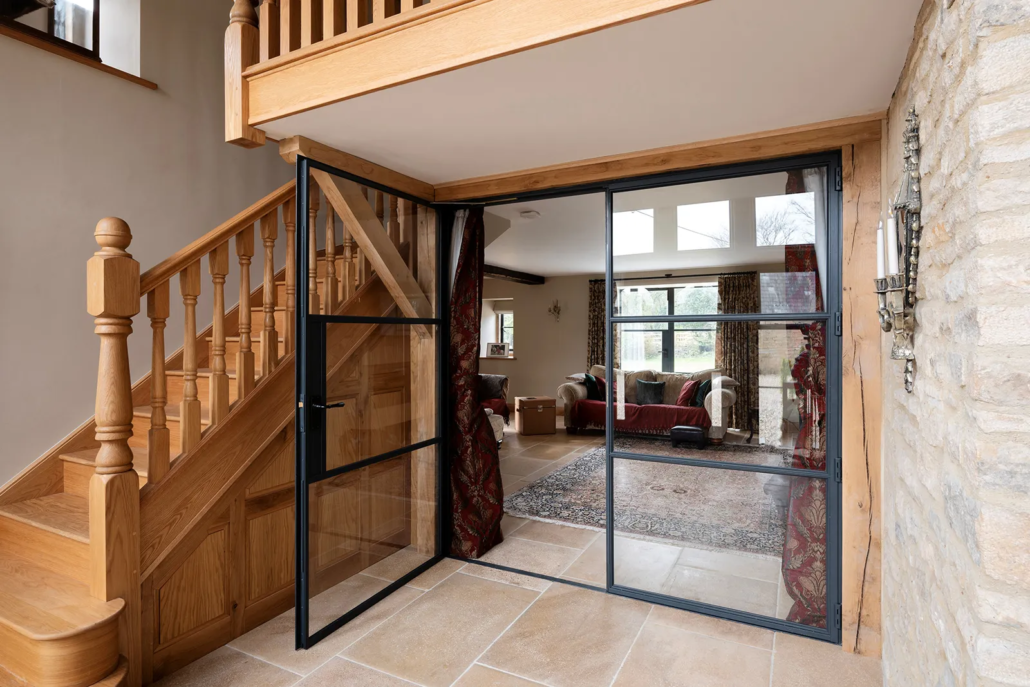
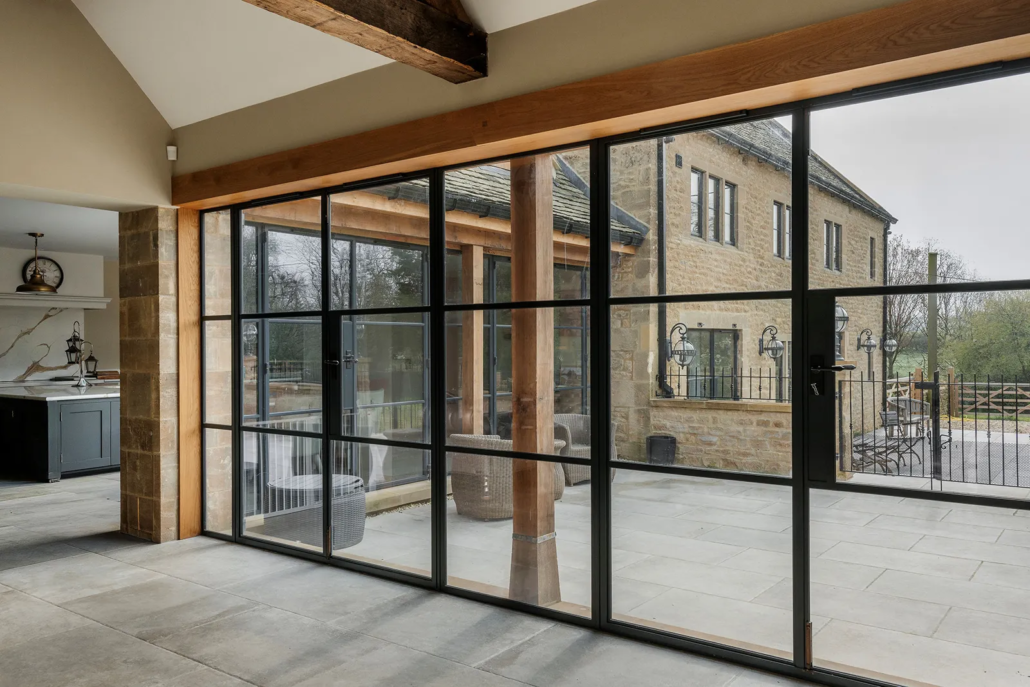
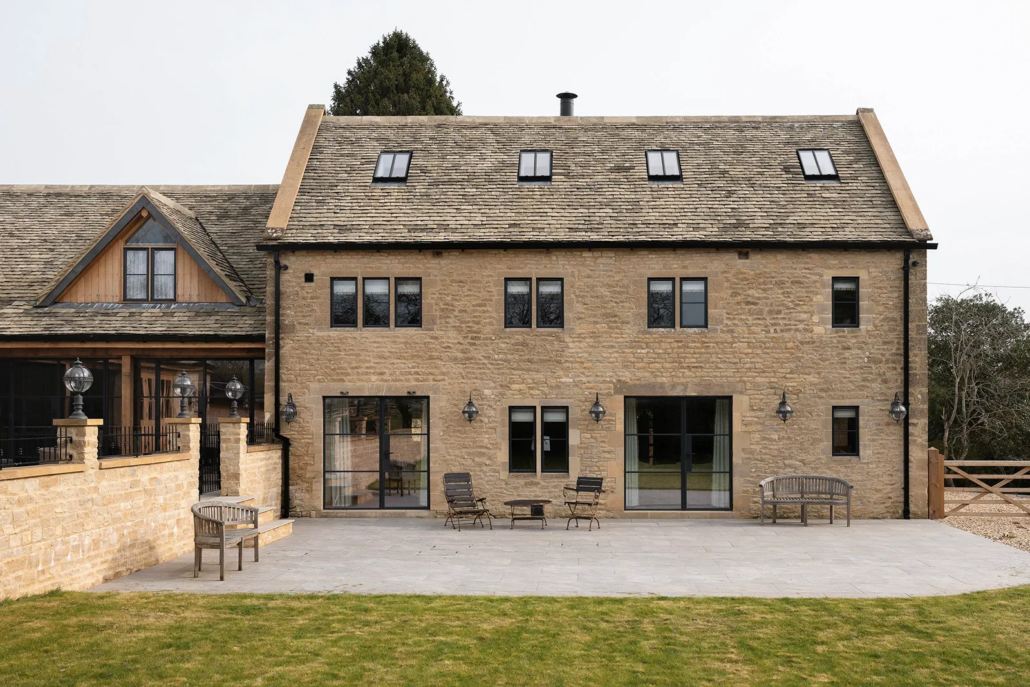
The Cotswold Casement Company is honoured to have contributed to the transformation of this remarkable barn refurbishment and modernisation, beautifully set in the tranquil hamlet of Upper Milton in the Cotswolds.
This exquisite project features solid oak and steel doors that open into a breathtaking entrance hall, where a handcrafted oak staircase is paired seamlessly with elegant steel double doors leading into the home’s main reception space. Across the rear elevation, a series of slim-sightline steel doors frame uninterrupted views of the garden, extending out toward the surrounding paddocks and countryside.
Slim profiles and clean architectural lines were essential to the brief, ensuring abundant natural light and enhancing the magnificent rural setting. Our bespoke glazing solutions not only complement the character of the property but also bring contemporary refinement to this extraordinary Cotswold home.
Image credit: Pete Helme

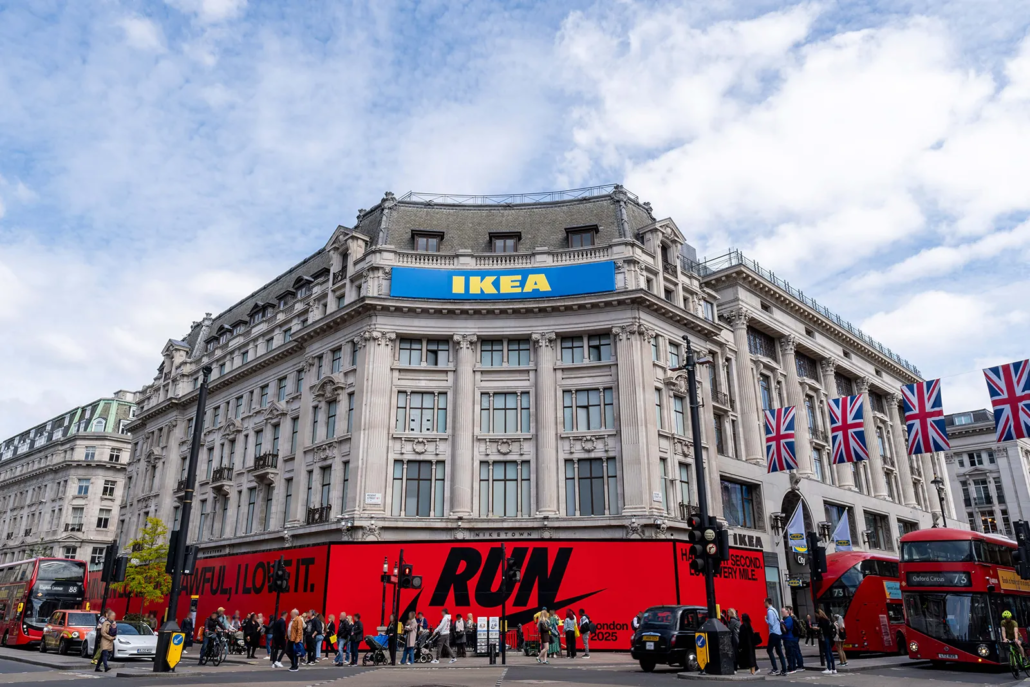
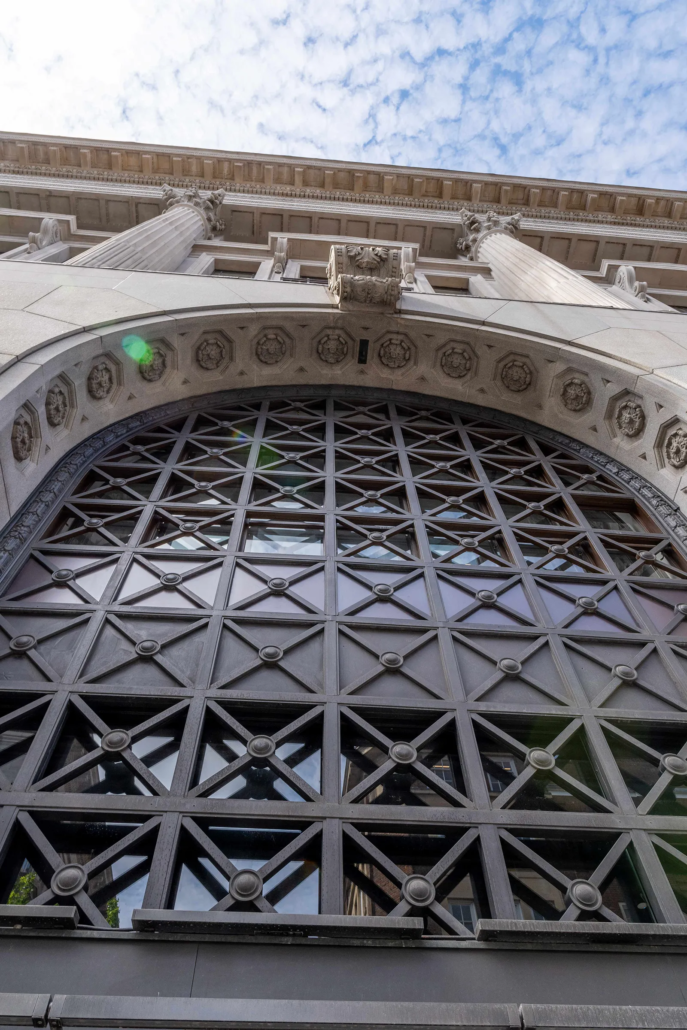
Located at 214 Oxford Street, the former Topshop flagship store has a long and documented history that shaped the complexity of its recent transformation. Originally built between 1913 and 1928 as one of four Quadrant buildings designed by Sir Henry Tanner for the Crown Estate, the property features Portland stone façades, extensive structural steelwork and a series of distinctive architectural elements – from bronze shopfronts to three circular steel rooflights crowning the fourth-floor mezzanine. Over the decades, the building also endured significant alteration, including repairs following wartime bomb damage, and long‑term issues such as leaking concealed rainwater pipes.
Following Topshop’s departure, the building embarked on a major two‑year refurbishment and restoration programme to create IKEA’s new London headquarters. Given the building’s Grade II listing and eclectic mix of original window types, the project demanded specialist heritage expertise. Associated Steel Window Services (ASWS), already familiar to main contractor McLaren Construction, was commissioned by Avison Young to carry out a full condition survey. This appraisal became a key reference point for the project, highlighting historic damage, water ingress and the need to work sensitively around existing occupants, including Nike.
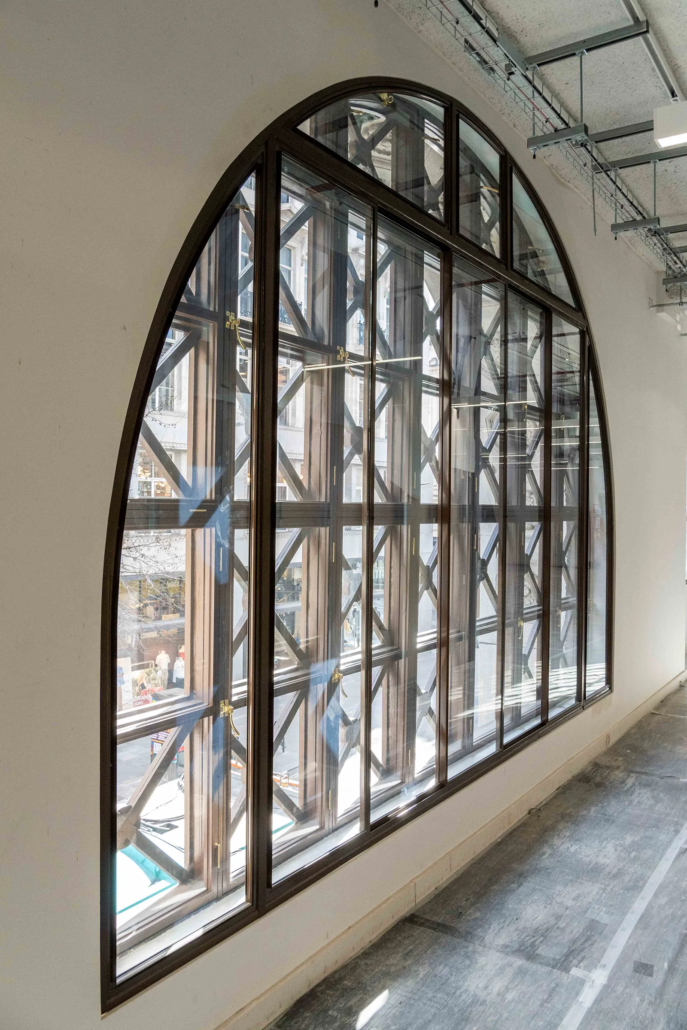
The restoration encompassed 342 steel façade windows, a series of large mansard hardwood windows, and the building’s landmark roof domes – each containing 148 panes of glass. ASWS removed and workshop‑restored around 90 corroded steel frames, overhauled and redecorated all remaining windows in situ, and carried out extensive timber repairs at upper levels. At street level, the bronze shopfronts were meticulously stripped, re‑patinated and reglazed with laminated safety glass.
One of the most physically demanding elements involved the three shallow domes above the mezzanine, where restricted access and deteriorated steelwork required exhaustive cleaning, welding and full reglazing using individually templated safety glass. All restored elements received ASWS’s newly introduced Five‑Coat redecoration system to ensure long‑term protection.
Throughout the project, ASWS worked closely with McLaren Construction and the Crown Estate’s heritage representatives, providing practical solutions to the challenges uncovered in this century‑old landmark. Their craftsmanship, attention to detail and specialist capabilities ensured the building’s historic character was preserved while readying it for its next chapter as a contemporary workplace.
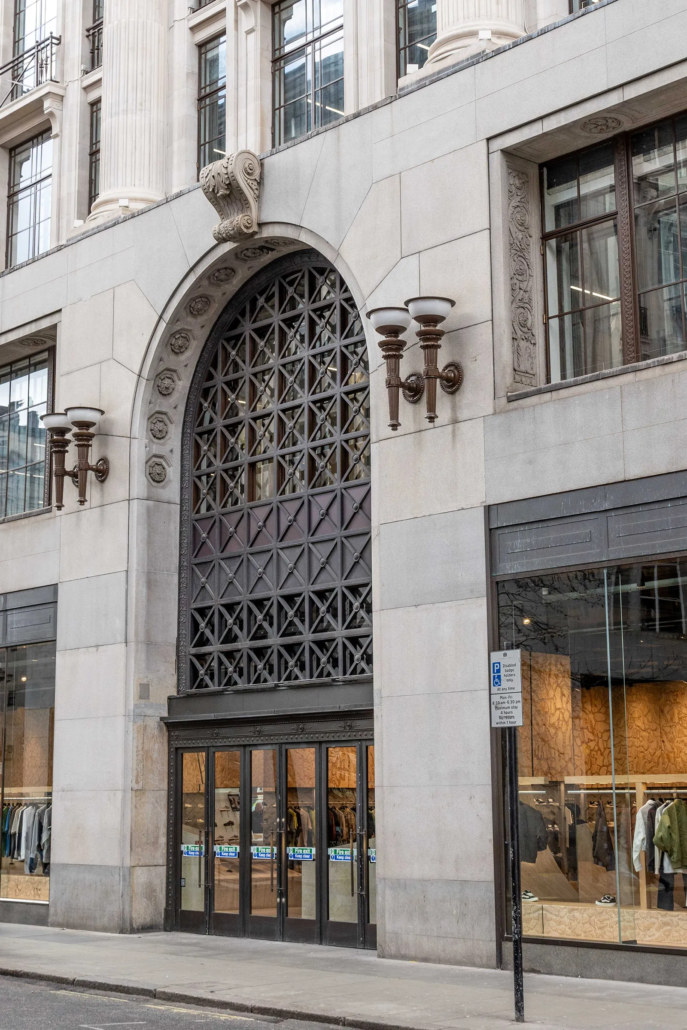
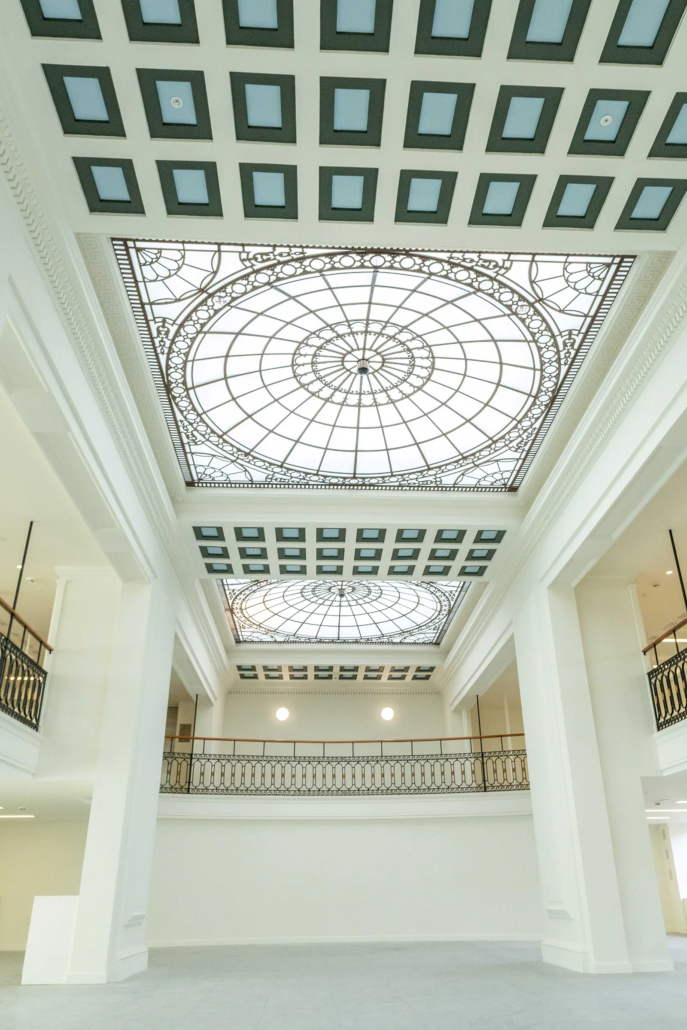
The job consists of a complete refurbishment of a large but dated townhouse in Chiswick. The project focused on reinterpreting the home through contemporary steel windows and doors, balancing architectural ambition with rigorous technical performance.
From the outset, the brief required a careful integration of modern steel glazing within the existing structure, while meeting demanding thermal targets and full compliance with current fire safety regulations. Our role was to guide the specification process and deliver solutions that combined clarity of design with long-term reliability.
At lower ground level, the external doors were delivered using the W75 thermally broken steel system with triple glazing, achieving a U-value of 1.1. The double doors extend beyond 2400mm in width, creating a strong visual connection between interior and exterior while showcasing the system’s refined proportions, slim sightlines and precision detailing.
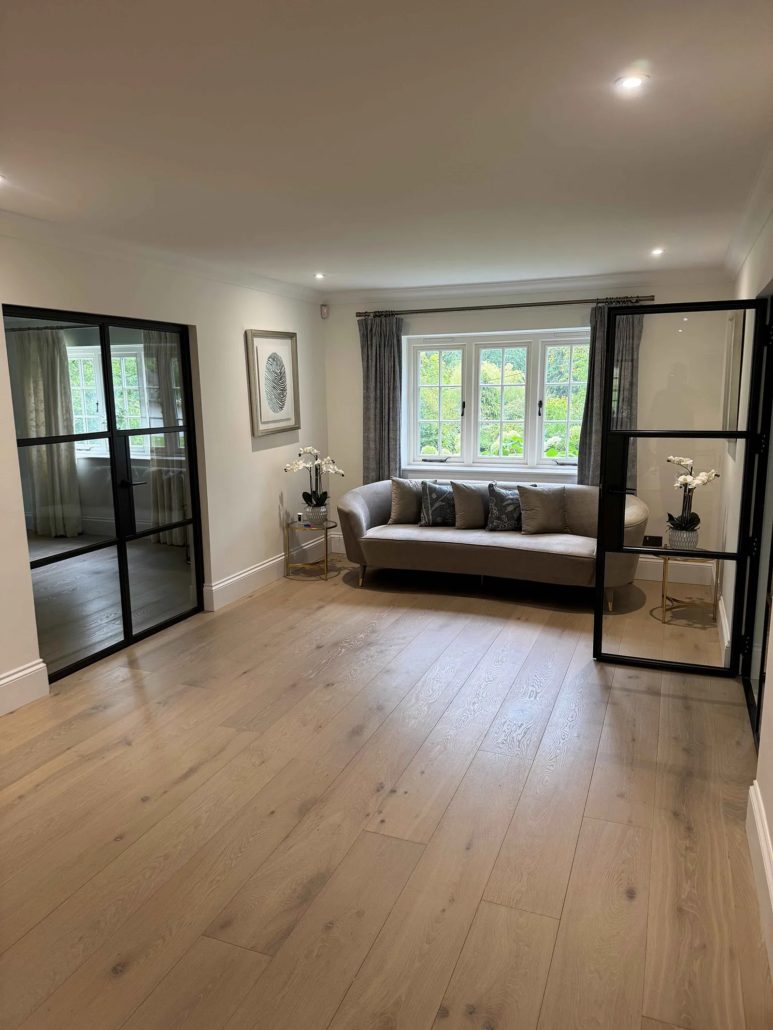
Internally, a consistent design language was maintained throughout the home using the W40 FD30 fire-rated system. This solution allows for large, glazed panels, enabling the internal layout to be opened up and allowing natural light to flow from front to back, without compromising fire performance or safety standards.
The completed scheme demonstrates how steel windows and doors can support contemporary living through a combination of technical expertise, careful detailing and collaborative delivery. By working closely with the wider project team, Perla ensured that design intent, performance and compliance were resolved as a unified whole — resulting in a cohesive, light-filled home defined by clarity, precision and attention to detail.
Image credit: David Bulter
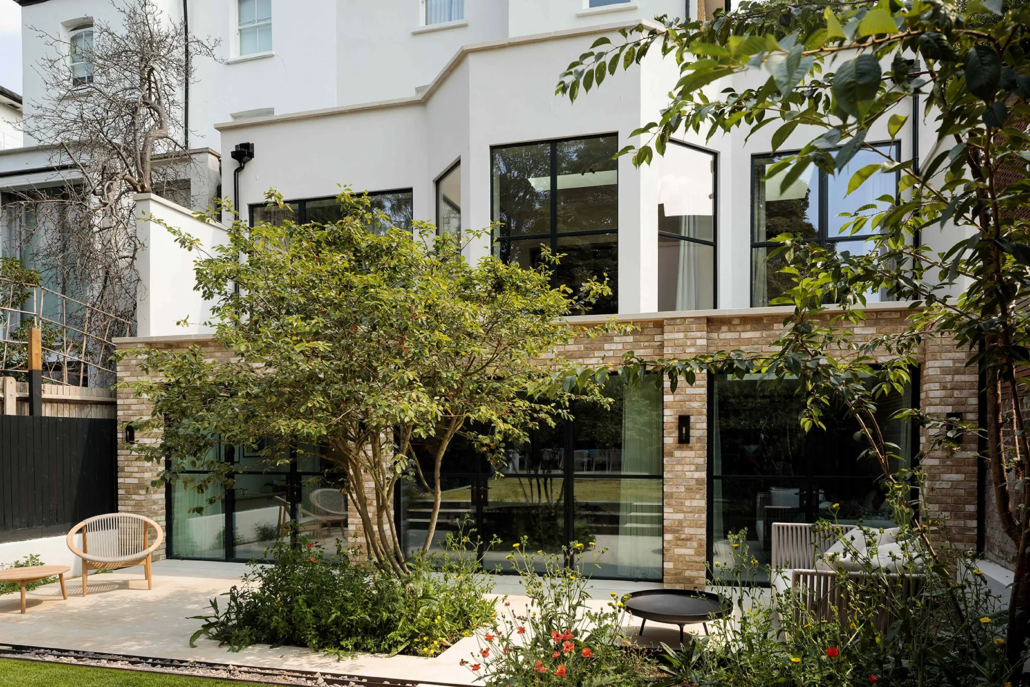
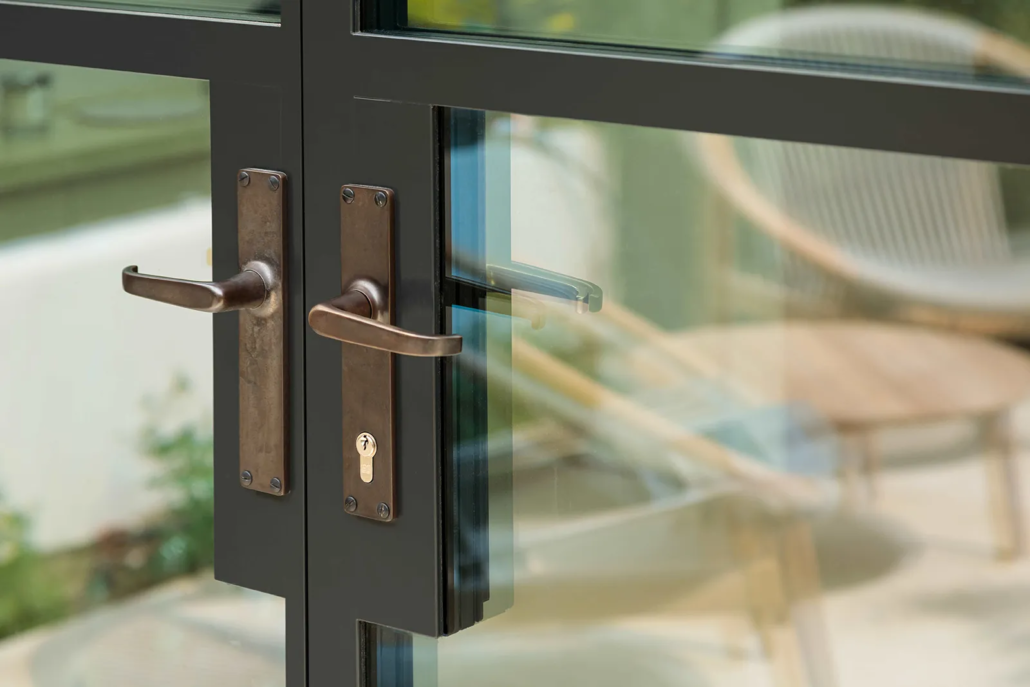
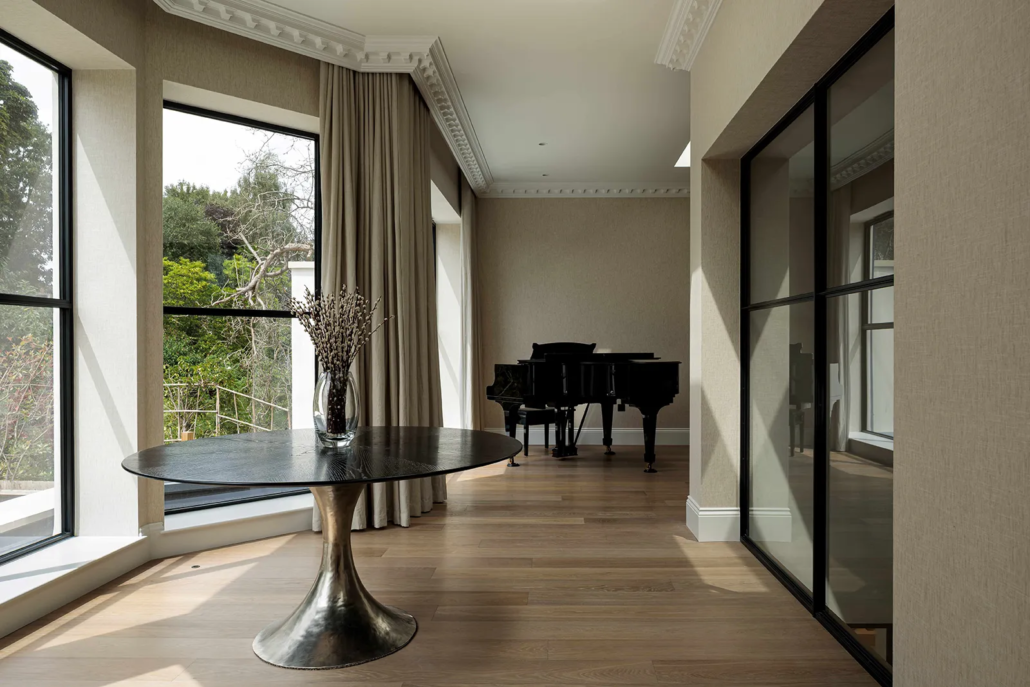
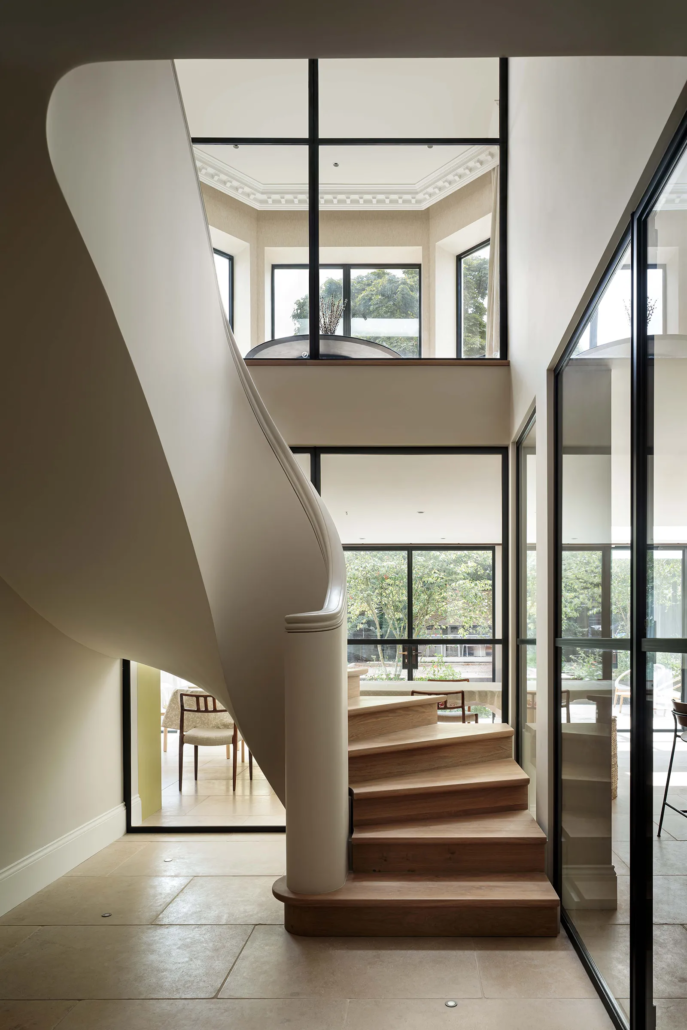
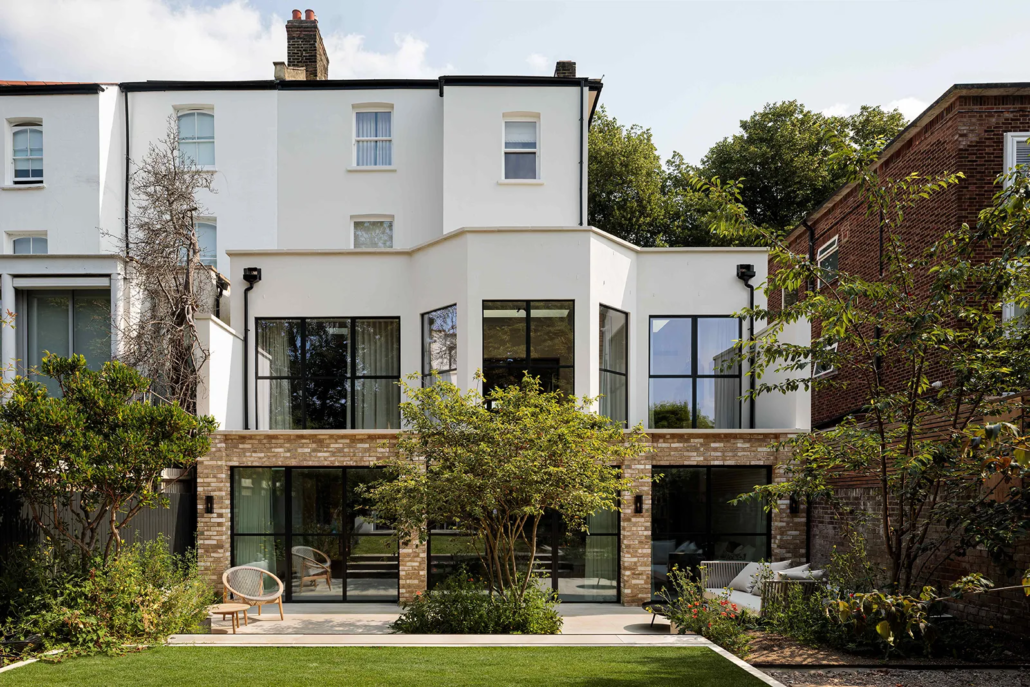
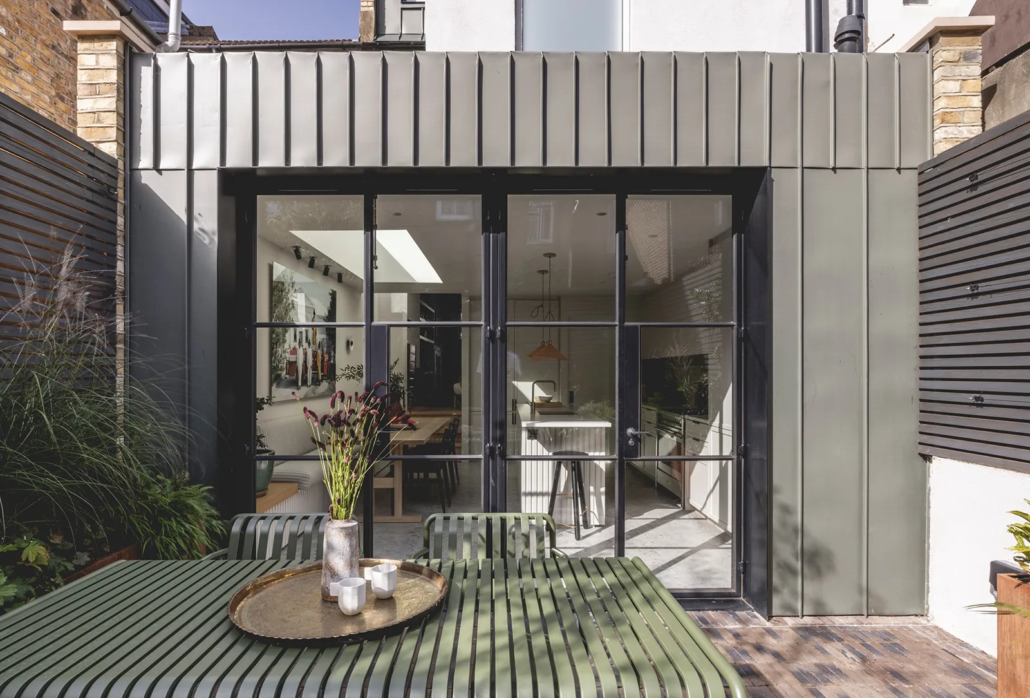
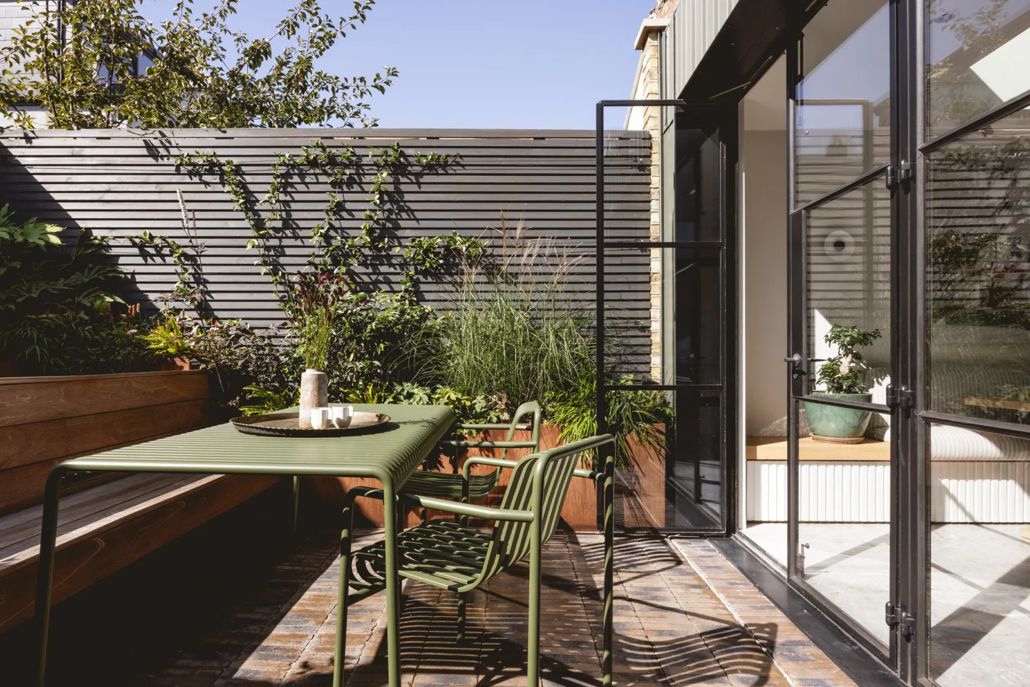
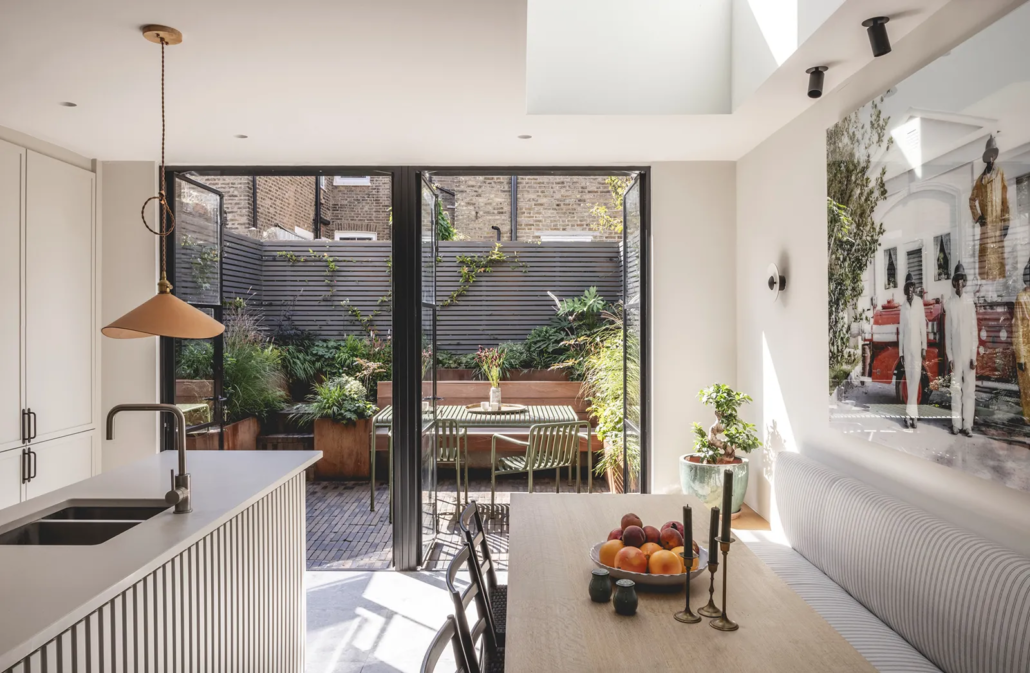
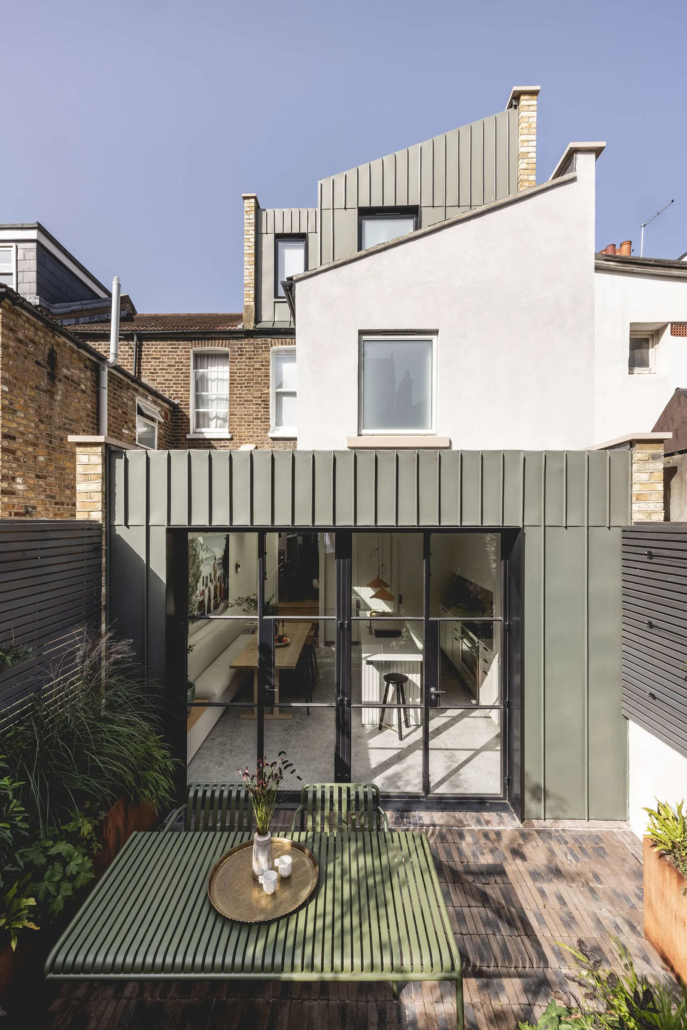
Well House is an innovative reworking of a Victorian terrace on a tightly packed site in East Dulwich. Architect Rosie McLaren has meticulously designed this urban retreat to cater to the lifestyle of a busy young professional. A thoughtful structural strategy, including the lowering of the kitchen, readjusted floor plates and the carving out of a layered, textural garden with Landscape Designer Lottie Delamain, serves to provide tranquillity and privacy in a closely overlooked setting. At the heart of the home is the garden-facing kitchen, a collaboration between Rosie and Interior Designer Christian Bense. The space features a full-room length bench, combining dining and casual seating, generous roof lights bringing glimpses of the sky and a wall of Fabco steel glazed doors. The doors flood the interior with natural light, help bring the outside into the space and maximise every inch of this densely packed plot.
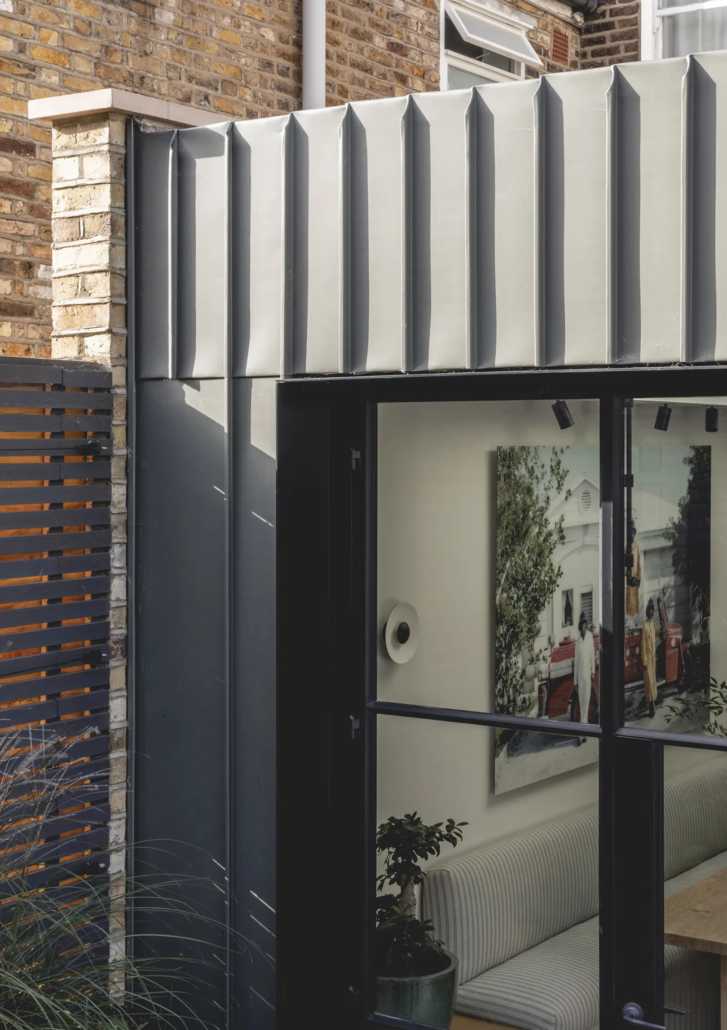
A defining element is the integration of these Fabco steel glazed doors, which provide a contemporary industrial edge while respecting the proportions of the original period frontage. The dark steel frames and the rhythmic patterning of the soft green zinc cladding responds to the tightly knit terrace context. A visual representation of the house jostling for space and a motif that reappears throughout the house, from the crafted stairs to a bespoke made Amy Kent rug.
Sustainability was a core focus, achieved through improved thermal efficiency, the use of durable materials like zinc, and the optimisation of natural light to reduce the need for artificial lighting. Ultimately, the project demonstrated how strategic interventions and craftsmanship can turn a constrained site into a highly functional, contemporary home.
Image credit: Billy Boulton
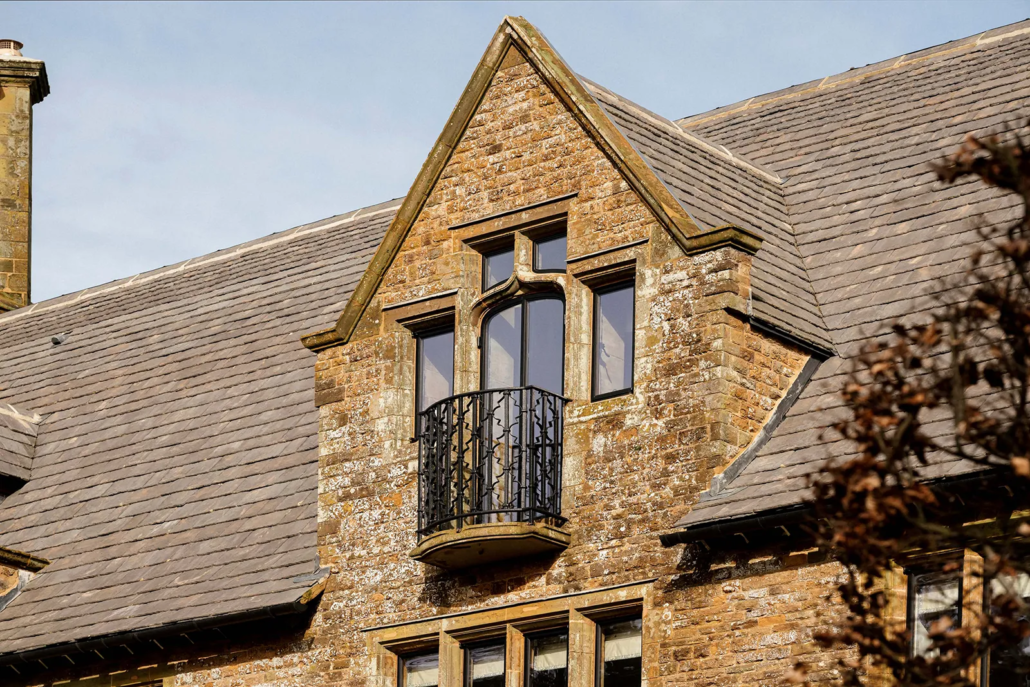
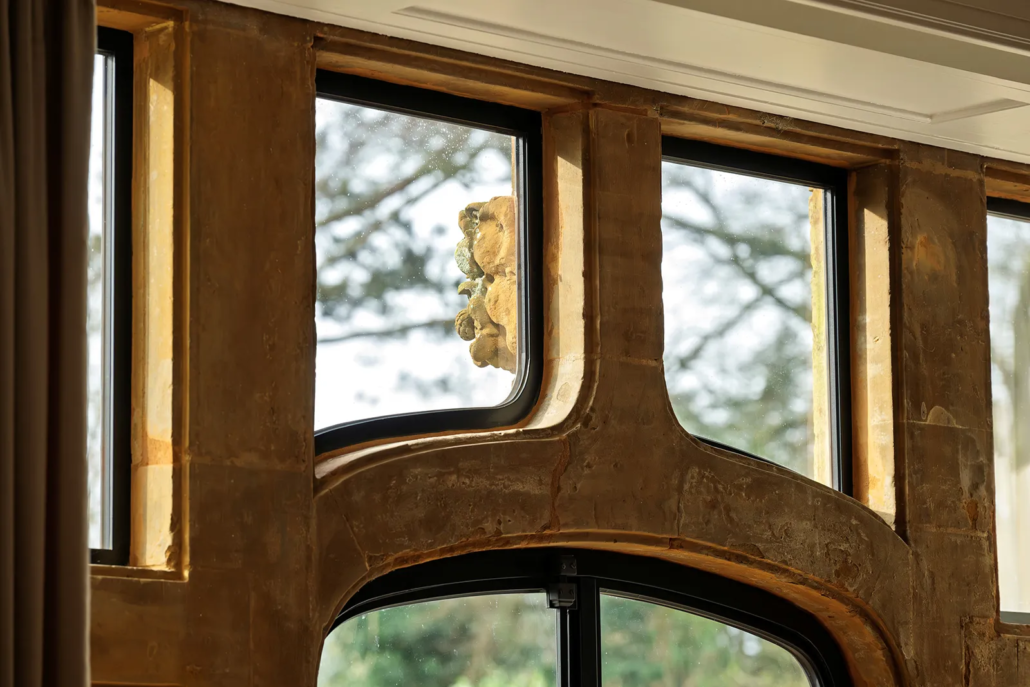
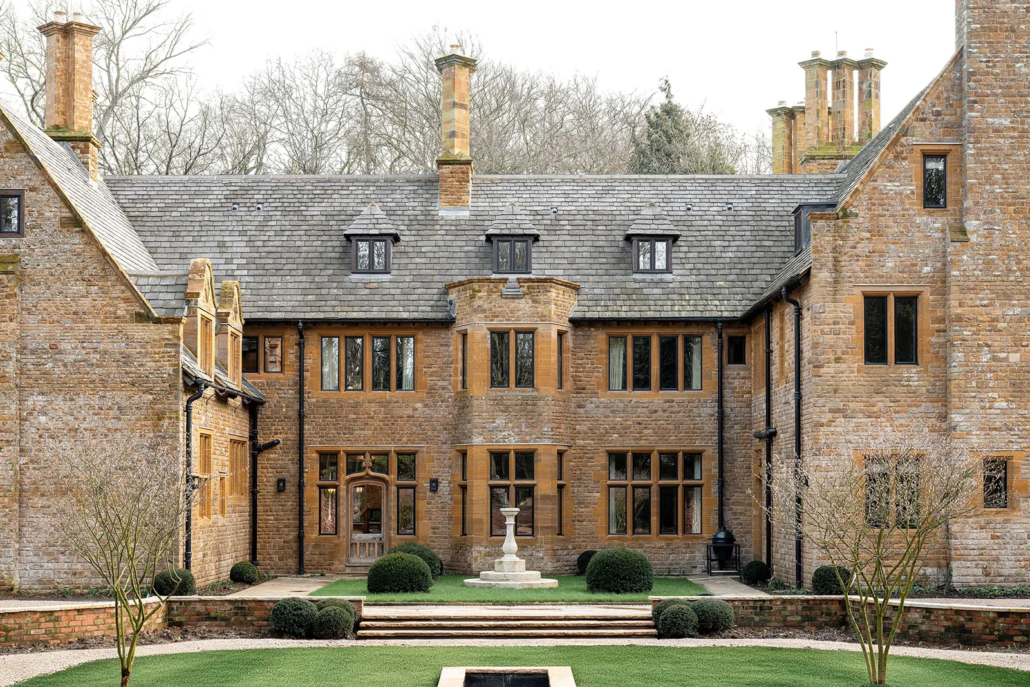
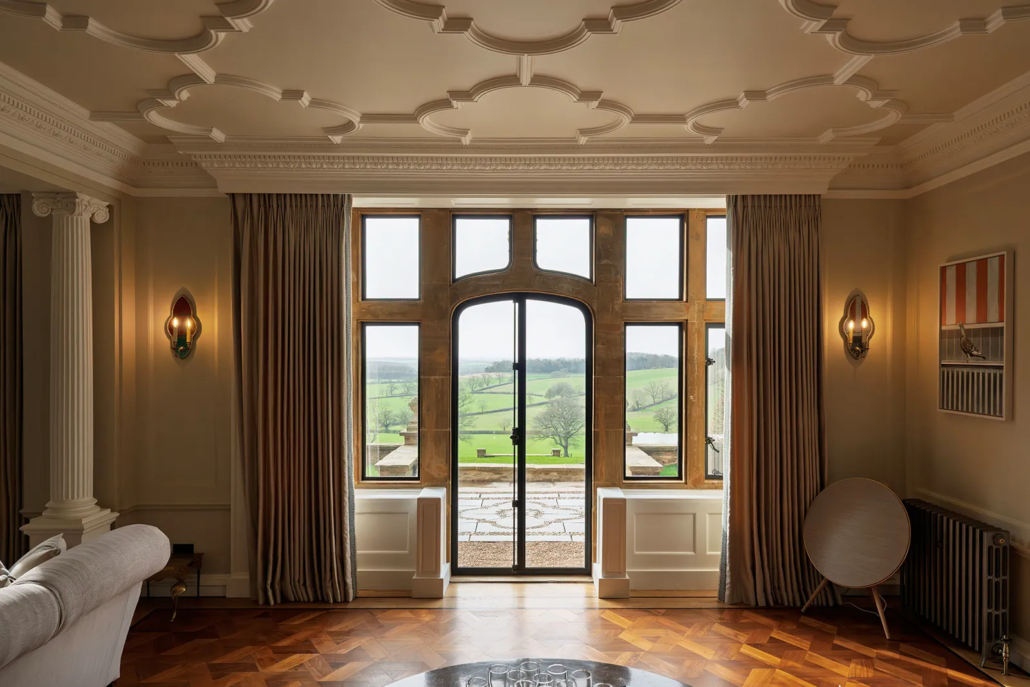
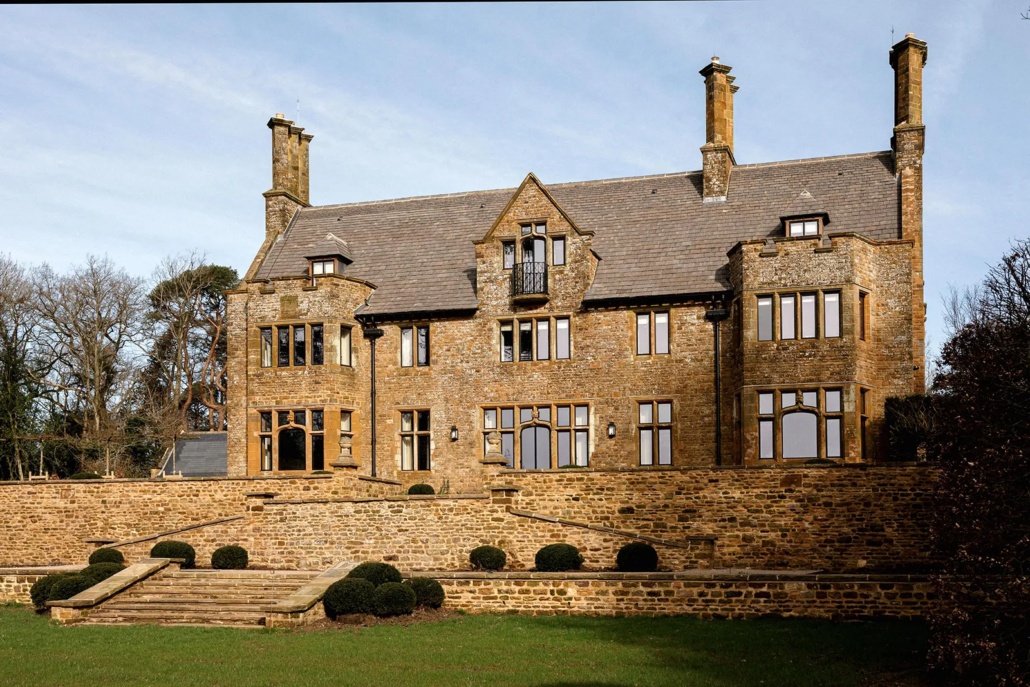
The Cotswold Casement Company was honoured to play a part in the restoration of Westcote Hall, one of Northamptonshire’s most architecturally significant country residences. With roots as a 17th-century Jacobean Halland later transformed into an elegant Edwardian hunting lodge, the building embodies centuries of craftsmanship, reinvention, and heritage.
Our role was to introduce glazing solutions that enhance the Hall’s natural light and usability while remaining fully sympathetic to its historic fabric. We supplied and installed our slimline W20 and W30 steel profiles, chosen for their authentic sightlines and suitability for conservation architecture. To complement the Hall’s varied historical features, we also designed and crafted bespoke, intricately shaped heads, ensuring each element aligned perfectly with the building’s original masonry and proportions.
The result is a seamless blend of modern performance and traditional detailing, preserving the character, beauty, and legacy of Westcote Hall for generations to come.
Image credit: Pete Helme